
The microchip clinic receipt in your drawer means nothing if your dog isn’t properly registered in Malta’s new 2024 digital database system. Thousands of Maltese dog owners are discovering that having a microchipped pet doesn’t automatically equal legal compliance with the updated registry requirements that took effect this year.
This isn’t about bureaucratic box-ticking. Malta’s Animal Welfare Department has fundamentally restructured how pet identification works, moving from a fragmented system of veterinary records and optional registrations to a mandatory, real-time digital database that integrates with enforcement capabilities. The assumption that “microchipped equals compliant” is costing dog owners €232 fines and, in some cases, temporary confiscation of their pets during routine checks.
The fundamental flaw in fragmented pet identification systems is that they create an illusion of compliance without actual enforceability. When registration databases aren’t centralized and real-time, you essentially have expensive paperwork masquerading as animal welfare policy.
Why Dog Owners Believe the Microchip Myth
The confusion is understandable. For years, Malta’s microchipping requirements were effectively suggestions backed by veterinary best practices rather than systematic enforcement. Getting your dog chipped at a clinic in Valletta or Rabat created the impression of compliance because the veterinarian handled the “paperwork” and provided you with a certificate.
This created a generation of dog owners who associate the physical procedure with legal compliance. The chip goes in, the vet hands you a paper, and you file it away believing you’ve satisfied Malta’s requirements. Many veterinary practices reinforced this by focusing on the health and safety benefits of microchipping rather than the legal registration obligations.
Veterinarians often become inadvertent enablers of pet owner complacency when they focus solely on the medical aspects of microchipping without clearly explaining ongoing legal obligations. The chip insertion is just step one in what should be understood as a multi-step compliance process.
The old system was also forgiving by accident. Enforcement was sporadic, and when officials did check for identification, they were often satisfied with any proof of microchipping rather than database verification. A vet’s certificate or even a visible injection site scar was frequently sufficient during the rare occasions when authorities asked for proof.
Additionally, many Maltese dog owners acquired their pets from other EU countries where different microchip standards and registration systems apply. The assumption that European pet travel documents automatically satisfy Malta’s domestic requirements has persisted even as the legal landscape has shifted significantly.
What Malta’s 2024 Digital Database Actually Requires
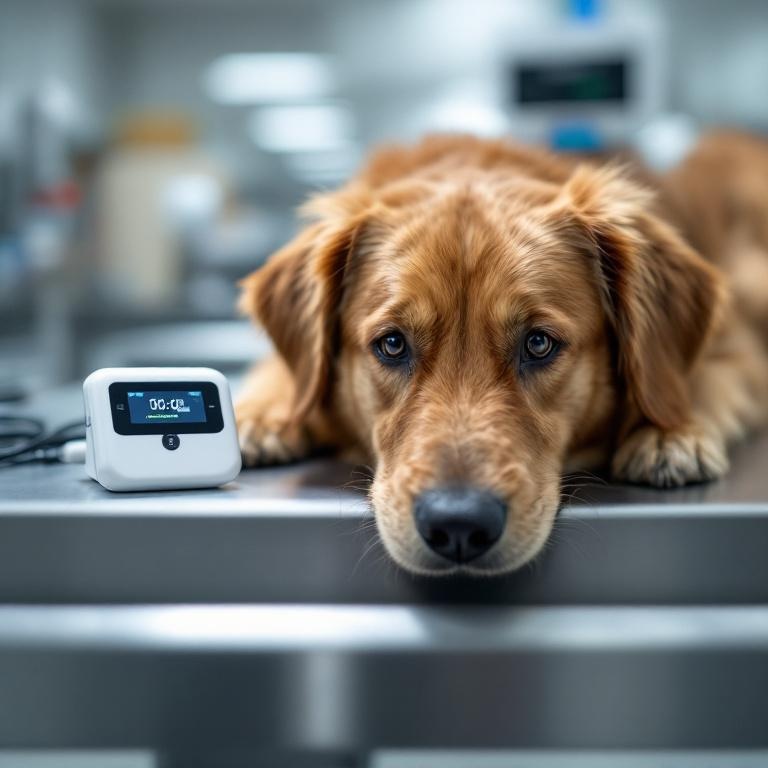
Malta’s new system operates on three specific technical requirements that distinguish it from previous arrangements. First, the microchip must meet ISO 11784/11785 standards for 15-digit identification codes. Chips that predate these standards or use proprietary formats from specific manufacturers cannot be read by the new enforcement scanners used by Malta’s Animal Welfare Department.
Second, the chip data must be actively registered in Malta’s centralized database with current owner information, current address, and current veterinary contact details. This registration is separate from and in addition to any records your veterinarian maintains. The database requires annual verification updates, which means even properly registered dogs can fall out of compliance if owners don’t respond to renewal notices.
Third, the system now includes real-time enforcement capabilities. When an Animal Welfare Department officer scans your dog’s chip during a routine check at Mellieha Beach or Golden Bay, the scanner immediately queries the central database for registration status, owner verification, and compliance history. There’s no grace period for “I have the papers at home” explanations.
The integration with Malta’s existing dog licensing requirements adds another layer of complexity. Your dog’s microchip registration must match the information in your municipal dog license, and discrepancies between the two systems can trigger compliance violations even if both documents are individually valid.
The Real Cost of Non-Compliance
The penalties under Malta’s updated Animal Welfare Act are designed to hurt enough to ensure compliance. The standard fine for an unregistered or improperly registered microchip is €232, but that’s just the beginning of your problems.
Dogs found to be non-compliant during enforcement checks can be temporarily confiscated pending registration verification. This doesn’t mean your dog disappears forever, but it does mean a trip to the Animal Welfare Department facility in Luqa, potentially expensive boarding fees, and the stress of proving compliance before your pet is returned.
For repeat violations or cases where dogs are found multiple times without proper registration, the fines escalate quickly. Second offenses carry €464 penalties, and third offenses can result in temporary bans on pet ownership while compliance issues are resolved.
The enforcement isn’t theoretical. Animal Welfare Department officers now conduct regular sweeps at popular dog walking areas including Buskett Gardens, Sliema promenade, and the coastal paths in Gozo. They also coordinate with municipal authorities during routine licensing checks, which means non-compliance can surface during otherwise unrelated interactions with local government.
Perhaps more importantly, non-compliant microchips can create liability issues if your dog is involved in an incident. Insurance claims, bite reports, or property damage cases often require proof of proper identification and registration. A microchip that doesn’t meet current standards can complicate these situations legally and financially.
How to Verify Your Dog’s Compliance Status
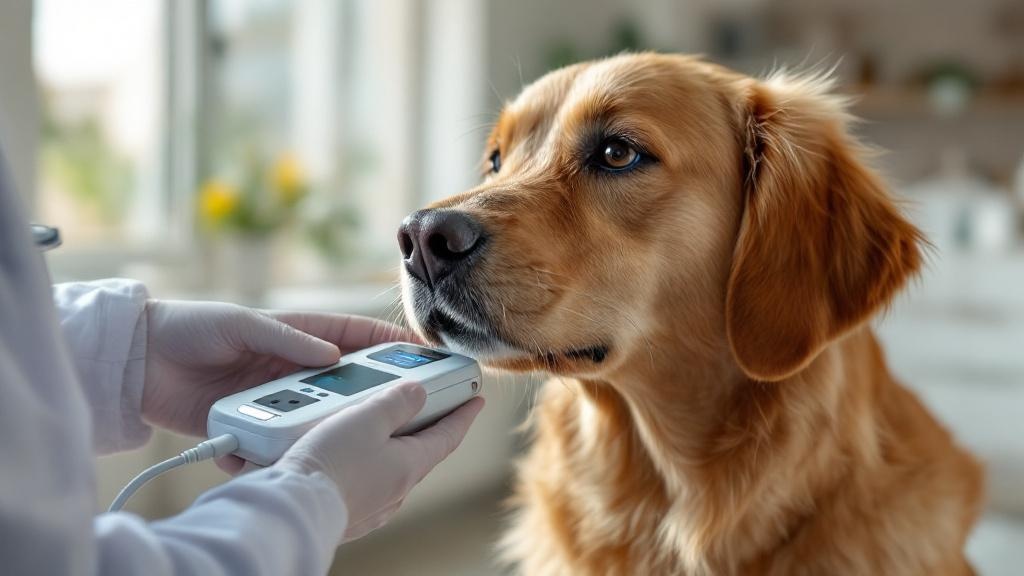
The verification process requires a visit to an approved veterinary clinic with scanning capabilities that connect to Malta’s central database. This isn’t something you can check online or verify with old paperwork. The scanner needs to read your dog’s chip and query the database in real-time to confirm registration status.
Approved clinics in Malta include the Veterinary Clinic in Birkirkara, the Animal Hospital in San Gwann, and the Gozo Veterinary Services in Victoria. These facilities have the updated scanning equipment and database access necessary to provide official compliance verification. A simple phone call to confirm their database connectivity before your visit can save time and confusion.
During the verification appointment, the veterinarian will scan your dog’s existing chip and immediately see whether it appears in Malta’s 2024 database with current information. If the chip is readable but not registered, you can complete the registration process during the same visit. If the chip doesn’t meet current technical standards, you’ll need to discuss replacement options.
The verification appointment typically costs between €25-€40 and includes a compliance certificate that serves as proof of registration status. This certificate is valid for enforcement purposes and should be kept with your dog’s other identification documents.
What Happens If Your Chip Isn’t Compliant
Non-compliant chips fall into three categories, each requiring different solutions. Chips that meet technical standards but aren’t registered in Malta’s database need administrative registration, which can be completed during your verification appointment for an additional €15-€30 fee.
Chips that don’t meet ISO standards or can’t be read by current scanners need replacement. This involves a new microchipping procedure, database registration, and disposal of the old chip information. The total cost ranges from €80-€120 depending on the veterinary clinic, but this creates a completely fresh compliance status.
The most complex situation involves dogs with chips registered in other EU countries that don’t automatically transfer to Malta’s system. European pet passports and travel documents don’t satisfy Malta’s domestic registration requirements, so these dogs need separate registration in Malta’s database even though they’re technically identified for travel purposes.
For dogs in this category, you’ll need to provide proof of current vaccination status, rabies certification, and owner identification to complete Malta’s registration process. The existing chip usually doesn’t need replacement, but the registration process is more detailed and can take longer than standard appointments.
Timing Your Compliance Check
The verification process becomes more expensive and complicated the longer you wait. Dogs found non-compliant during enforcement checks face immediate penalties, while dogs brought in proactively for verification face only the appointment and registration costs.
The Animal Welfare Department has indicated that enforcement sweeps will intensify through 2024, particularly during summer months when dog activity increases at beaches and public areas. Getting your compliance verification completed before peak enforcement season can save both money and stress.
Additionally, some veterinary clinics offer compliance verification packages that include annual registration updates and reminder services. These programs cost €60-€80 annually but eliminate the risk of lapsed registration and provide peace of mind about ongoing compliance.
- Having a microchipped dog doesn’t automatically guarantee compliance with Malta’s 2024 digital registry requirements
- The new system requires ISO-compliant chips registered in Malta’s central database with current owner information
- Non-compliance carries €232 fines and potential temporary confiscation of your pet during enforcement checks
- Verification appointments at approved clinics cost €25-€40 and provide official compliance certificates
- Proactive compliance verification is significantly cheaper than addressing violations after enforcement contact