
The brown dog tick thriving in your Valletta apartment balcony doesn’t care that you spent €30 on organic neem oil last month. Malta’s veterinary community is watching a dangerous trend unfold: dog owners gambling with DIY tick prevention during our six-month Mediterranean tick season, only to face €800 babesiosis treatment bills when their homemade solutions fail.
This isn’t about shaming budget-conscious pet ownership. It’s about mathematics that every Maltese dog owner needs to understand: the cost of preventing tick-borne diseases is always lower than treating them, and Malta’s unique Mediterranean environment makes DIY prevention a particularly expensive mistake.
Why Malta’s Tick Season Breaks Most DIY Methods
Malta’s Mediterranean climate creates conditions that overwhelm typical DIY tick prevention. Our summer temperatures, averaging 28-35°C from May through September, accelerate tick reproduction cycles to complete a full generation in just three weeks instead of the typical six to eight weeks in cooler climates.
Mediterranean climates present unique challenges for natural tick prevention because the extended warm season allows tick populations to explode faster than most organic repellents can effectively control them. What works in temperate climates for three months simply cannot sustain protection for Malta’s six-month tick season.
Dr. Sarah Mifsud from the Malta Veterinary Services Unit explains the local reality: “We’re dealing primarily with Rhipicephalus sanguineus, the brown dog tick, and Rhipicephalus pusillus along our coastlines. These species have adapted to our hot, dry summers and remain active when most DIY repellents break down or become inconsistent.”
The concentration of dogs in Malta compounds this challenge. With approximately 40,000 registered dogs across 316 square kilometers, tick-borne diseases spread rapidly through our interconnected communities. A single untreated dog in your Sliema neighborhood can maintain tick populations that affect every dog in the area.
The Seductive Logic of DIY Prevention
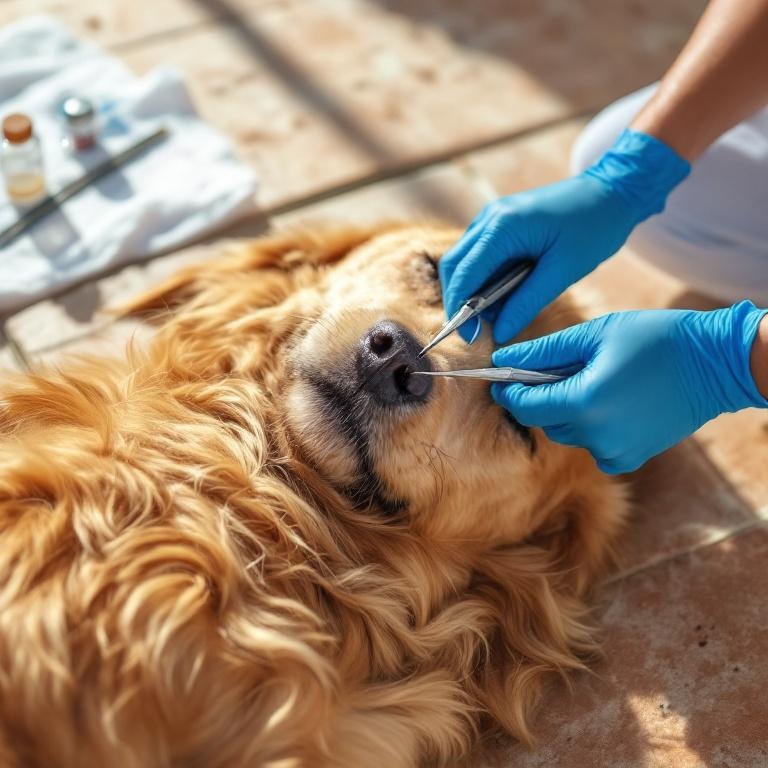
The argument for DIY tick prevention sounds reasonable: essential oils like eucalyptus and tea tree are “natural,” garlic supplements boost the immune system, and diatomaceous earth creates a physical barrier against parasites. Online communities share success stories, and the monthly cost of professional tick prevention (€25-45 depending on your dog’s weight) feels substantial when you’re already managing pet food, insurance, and summer cooling costs.
The brown dog tick is particularly insidious because it’s the only tick species that can complete its entire lifecycle indoors. This means even apartment dogs in urban environments like Malta face constant exposure, and intermittent DIY treatments create gaps that allow populations to rebuild rapidly.
Some DIY methods show laboratory evidence of tick-repelling properties. Cedar oil does deter certain tick species in controlled studies. Apple cider vinegar can alter skin pH. These aren’t completely fabricated solutions.
The appeal becomes stronger when you consider Malta’s outdoor lifestyle. Many owners assume their twice-daily walks along Mellieha Bay or through Buskett Gardens are the primary risk windows, thinking they can time outdoor exposure and supplement with natural deterrents.
Where DIY Prevention Fails in Mediterranean Reality
The fatal flaw in DIY tick prevention isn’t the intent, it’s the execution gap between laboratory conditions and Malta’s real environment. Essential oils require reapplication every 4-6 hours to maintain effectiveness, but most owners apply them once daily. Summer heat and humidity accelerate oil breakdown, creating windows of vulnerability exactly when tick activity peaks.
More dangerous is the toxicity risk. Tea tree oil, even in diluted forms, can cause neurological symptoms in dogs. Garlic supplementation, popular in DIY circles, can lead to hemolytic anemia when used at concentrations necessary for tick deterrence. The Mediterranean Veterinary Conference research shows these complications increase during summer months when owners increase dosages hoping for better protection.
The brown dog tick’s behavior in Malta presents another challenge DIY methods can’t address. Unlike ticks in northern climates that primarily attach during outdoor activity, Rhipicephalus sanguineus completes its entire lifecycle indoors. Your Gzira apartment becomes the breeding ground, not just the forest walks in Dingli. DIY prevention typically focuses on pre-walk application, missing the 22 hours daily your dog spends in spaces where ticks are reproducing behind furniture and in wall crevices.
Temperature fluctuations common in Malta’s summer evening cooling also affect DIY solution consistency. The 15-degree temperature drop from afternoon heat to evening sea breezes changes how essential oils interact with your dog’s skin, often reducing effectiveness exactly when ticks become more active.
The Real Cost Mathematics

Professional tick prevention in Malta runs €300-540 annually for most dogs. Treating babesiosis, the most common tick-borne disease here, costs €800-1,200 including diagnostic bloodwork, medication, and monitoring. Ehrlichiosis treatment averages €600-900. Severe cases requiring hospitalization can exceed €2,000.
These aren’t scare tactic numbers. Malta’s veterinary clinics report 40-60% increases in tick-borne disease cases during months when DIY prevention peaks (June through August). The pattern is consistent: owners try natural methods through spring, cases spike in midsummer heat, and September brings emergency treatments.
Dr. James Caruana from Tower Road Veterinary Clinic tracks these patterns: “We see the same cycle annually. Owners invest €100-150 in DIY supplies through summer, then spend €800+ treating preventable diseases. The emotional cost of watching your dog suffer through babesiosis treatment adds weight beyond the financial impact.”
Consider the hidden costs DIY prevention doesn’t account for: diagnostic testing when natural methods fail (€80-120), emergency consultation fees for tick-related symptoms (€45-65), and potential long-term organ damage from untreated tick-borne infections requiring ongoing management.
Why Professional Prevention Works in Malta’s Climate
Veterinary tick prevention products are formulated for Mediterranean conditions. Spot-on treatments like fipronil and imidacloprid maintain effectiveness through temperature fluctuations and humidity levels that break down essential oils. They’re designed for the specific tick species prevalent in Malta, not generic pest deterrence.
Professional products also address the indoor breeding cycle that DIY methods miss. Monthly treatments kill ticks at multiple lifecycle stages, breaking the reproduction cycle in your living space. This comprehensive approach reduces community tick pressure, benefiting all dogs in your area.
The safety profile of veterinary products, while requiring prescription oversight, shows lower adverse reaction rates than many DIY alternatives when used correctly. Veterinarians can adjust products based on your dog’s health status, age, and specific risk factors that generic DIY approaches can’t accommodate.
Making Professional Prevention Work in Your Budget
The sticker shock of professional tick prevention becomes manageable when approached as essential infrastructure rather than optional care. Many Malta veterinary clinics offer annual prevention packages that reduce per-month costs and include health monitoring.
Consider the seasonal approach: invest in professional prevention during Malta’s peak tick season (April through October) and supplement with environmental controls during cooler months. This reduces annual costs while providing protection when risks are highest.
Some practices offer prescription purchasing programs or partnerships with pet insurance providers that offset prevention costs. The key is viewing tick prevention as non-negotiable summer infrastructure, like air conditioning or sun protection.
- Malta’s 6-month tick season and 28-35°C summer temperatures overwhelm most DIY prevention methods
- Professional tick prevention (€300-540 annually) costs less than treating one case of babesiosis (€800-1,200)
- Brown dog ticks complete their lifecycle indoors in Malta, requiring comprehensive prevention beyond walk-time protection
- DIY methods like essential oils require 4-6 hour reapplication and can be toxic at effective concentrations
- Malta’s dense dog population means individual prevention choices affect community-wide tick pressure