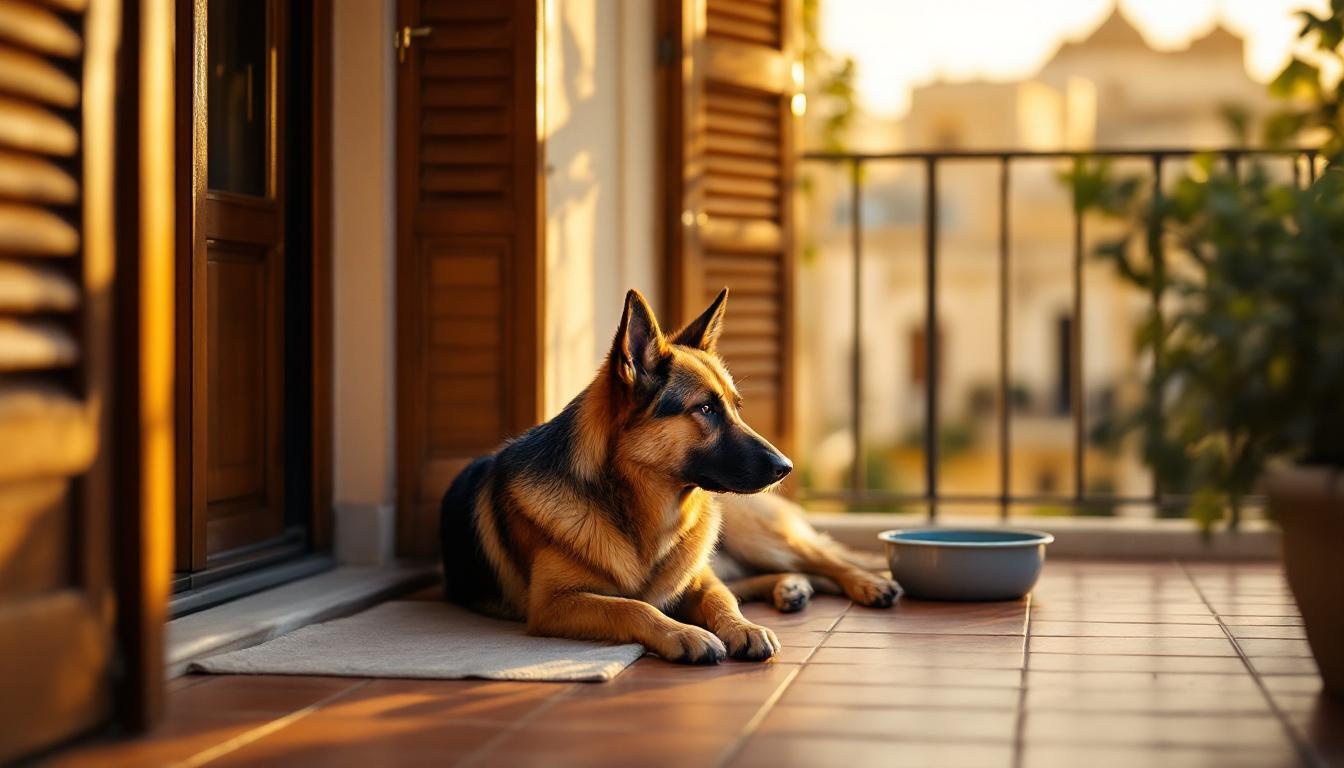
Every week at Dogs Trust Malta, I watch potential adopters fall in love with German Shepherds, then walk away because someone told them it’s cruel to keep a large dog in a Maltese apartment. This advice, however well-intentioned, ignores a fundamental truth: German Shepherds often adapt better to apartment living than the Chihuahuas and Jack Russell Terriers that everyone assumes are “apartment appropriate.”
The conventional wisdom is wrong, and it’s costing great dogs their homes.
The Apartment Dog Myth That’s Hurting German Shepherds
Let me steelman the opposing argument because it’s not entirely baseless. Critics point out that German Shepherds are large, active working dogs bred for herding and protection. They argue that confining a 35-kilogram dog to Malta’s typical 90-square-meter apartment is inherently unfair. The breed needs space to run, they say, and Malta’s urban density makes this impossible.
Here’s where this logic falls apart: it confuses space with stimulation.
German Shepherds rank third in canine intelligence precisely because they excel at adapting to their environment and reading their owner’s routine. Their mental flexibility means they can thrive in apartments when their cognitive needs are prioritized over pure physical space.
A German Shepherd lying bored in a large yard is far worse off than one living in a structured apartment routine with daily mental challenges and proper exercise. I’ve seen German Shepherds in Sliema apartments who are calmer and more content than those with access to private gardens in Mellieha, simply because their owners understood what the breed actually needs.
Working breeds like German Shepherds actually benefit from structured environments where they have clear routines and defined spaces. A well-managed apartment can provide the predictability and mental engagement these dogs crave more effectively than an unstimulated backyard.
Why Malta’s Geography Actually Favors German Shepherd Owners
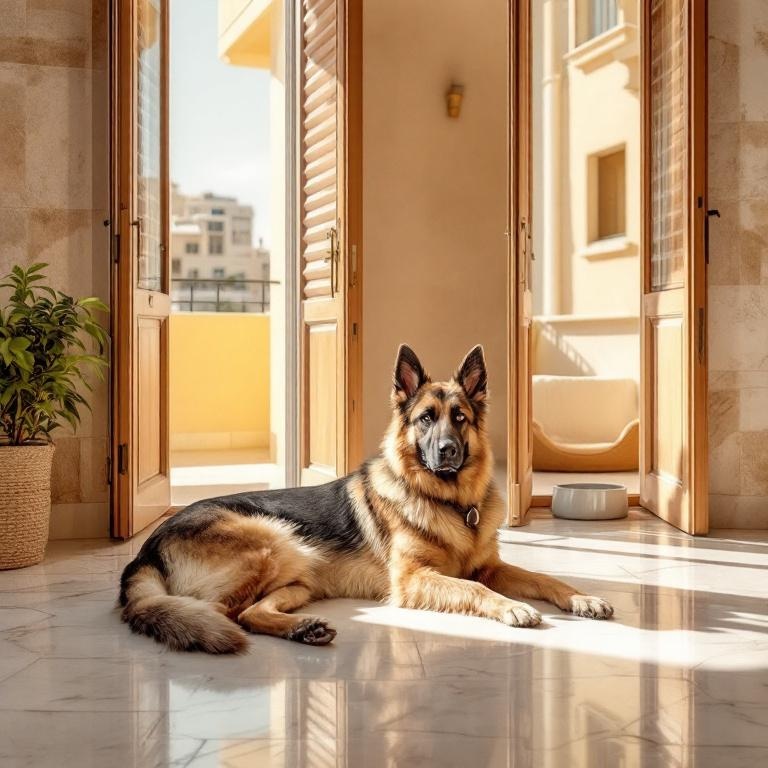
Malta’s compact size creates an advantage that larger countries can’t match. Within 15 minutes of central areas like Birkirkara or St. Julian’s, you can reach Buskett Gardens, Golden Bay, or the countryside around Mgarr. This accessibility means your German Shepherd can experience varied terrain and proper off-leash exercise without the hour-long commutes that urban dog owners face in larger countries.
Consider the logistics: a German Shepherd in London might need a 45-minute tube journey to reach decent exercise areas. In Malta, you’re 20 minutes by car from excellent walking territory regardless of where you live. This geographic reality transforms the apartment dog equation entirely.
The breed’s exercise needs align perfectly with Malta’s climate constraints too. German Shepherds require about 90 minutes of exercise daily, but it doesn’t need to be continuous. Early morning walks (6:00-7:30 AM) and evening sessions (after 7:00 PM) avoid the dangerous midday heat while providing the structured activity these dogs crave.
The Mental Stimulation Factor Everyone Ignores
German Shepherds were bred to think, not just run. Their working dog heritage means they’re happiest when solving problems and following routines. An apartment can actually provide better mental stimulation than a large yard because it forces owners to be more creative and intentional.
In my experience with professional dog behavior photography German Shepherds in apartments often display calmer, more focused behavior than those with large yards. The apartment dogs have learned impulse control, respond better to commands, and show less destructive behavior because their owners invest more time in training and mental exercises.
Compare this to the high-energy breeds commonly recommended for apartments: Border Collies, Jack Russell Terriers, and Australian Shepherds. These dogs often struggle more with apartment confinement because their energy is less controllable and their attention spans shorter.
The Real Success Factors for German Shepherds in Malta Apartments
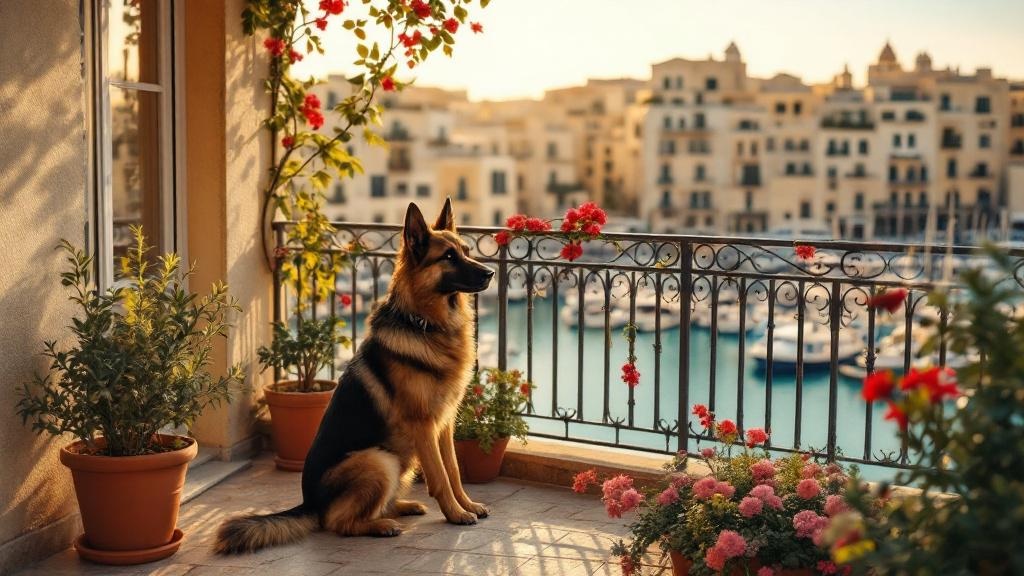
Square footage isn’t the limiting factor; routine and commitment are. Here’s what actually determines whether a German Shepherd thrives in a Malta apartment:
Exercise Quality Over Quantity: Two focused 45-minute sessions with varied activities (obedience work, scent games, socialization) outperform four hours of aimless yard time. Malta’s network of beaches and rural areas makes high-quality exercise accessible.
Mental Stimulation Infrastructure: German Shepherds need jobs. In an apartment, this might be puzzle feeders, rotating toy systems, or training new commands. Their intelligence makes them excellent apartment companions when their minds are engaged.
Climate-Appropriate Scheduling: Malta’s summer temperatures exceeding 30°C actually favor apartment dogs with air conditioning over those left in hot yards. The breed’s double coat makes them more susceptible to heat stress than many realize.
Navigating Malta’s Housing Regulations and Practical Considerations
Malta’s Housing Authority does allow pets in government housing estates, but private landlords often have restrictions. The key is demonstrating that you understand the responsibility. When apartment hunting with a German Shepherd in mind, lead with your exercise plan and training experience, not the dog’s size.
Noise management becomes crucial in Malta’s closely-built residential areas. German Shepherds are naturally quieter than many smaller breeds, but they do bark when alerting to visitors or unusual sounds. Proper training and sound dampening (carpets, furniture arrangement) prevent neighbor complaints that could jeopardize your housing situation.
The breed’s protective instincts also work in your favor in apartment settings. German Shepherds bond closely with their families and adapt their energy levels to match their environment when properly exercised and stimulated.
The Exercise Reality Check
Let’s be specific about what German Shepherd apartment living actually requires. You need 90 minutes of daily exercise split across two sessions, access to a car for weekend adventures, and the commitment to maintain this routine regardless of weather or convenience.
This isn’t trivial. You’ll be up at 6:00 AM for morning walks, budgeting for petrol to reach exercise areas, and planning vacations around your dog’s needs. Many people underestimate this commitment, which is why some German Shepherds do fail in apartment settings.
But here’s the crucial point: these same factors determine success for German Shepherds in houses with yards too. The location matters less than the owner’s dedication to meeting the breed’s needs.
When Apartment Living Won’t Work
I won’t pretend every situation works. German Shepherds in Malta apartments fail when owners rely on the apartment’s layout instead of their own effort, when they skip exercise on hot days without providing alternative stimulation, or when they choose the breed for protection without understanding the training commitment.
If you’re considering a German Shepherd because you want a low-maintenance pet, or if you can’t commit to the exercise routine, choose a different breed regardless of your living space. But if you’re avoiding German Shepherds solely because you live in an apartment, you’re eliminating an option that could work beautifully.
The architectural photography community has documented how thoughtful space design can accommodate large dogs in small areas, and the principles apply directly to apartment dog ownership.
The Bottom Line on German Shepherds and Malta Apartments
German Shepherds can thrive in Malta’s apartments when their owners prioritize routine, mental stimulation, and quality exercise over quantity of space. The breed’s intelligence and loyalty actually make them more adaptable to apartment living than many smaller, higher-energy dogs commonly recommended for flats.
Malta’s compact geography provides better access to exercise areas than most urban environments worldwide. The real barriers aren’t spatial; they’re commitment and consistency. If you’re prepared for the 90-minute daily exercise requirement, have reliable transportation to exercise areas, and understand the mental stimulation needs, apartment size becomes irrelevant.
The dogs currently thriving in Malta apartments prove this daily. The question isn’t whether your apartment is big enough for a German Shepherd; it’s whether your commitment is strong enough for the breed.
- German Shepherds adapt better to apartments than many smaller breeds when mental stimulation needs are met consistently
- Malta’s compact size provides better exercise area access than most urban environments worldwide
- Success depends on 90-minute daily exercise commitment and structured mental stimulation, not apartment square footage
- Climate-appropriate exercise timing (early morning/evening) aligns perfectly with German Shepherd needs
- The breed’s intelligence and loyalty make them naturally adaptable to their owner’s living situation