
Your dog will spend 21 days in a concrete kennel with minimal human contact, and there’s nothing you can do to visit them. This is Malta’s quarantine reality for UK dogs post-Brexit, and pretending it’s anything gentler does no one any favors.
Since Brexit reclassified the UK as a third country, British dogs entering Malta face the same quarantine requirements as animals from rabies-endemic regions. The system wasn’t designed for pampered family pets from Surrey. It was built for agricultural disease control, and your Golden Retriever will be processed accordingly.
Quarantine facilities designed for disease containment prioritize biosecurity over animal welfare by necessity. The minimal human contact protocol, while epidemiologically sound, can be devastating for dogs accustomed to constant family interaction.
The Facility: Basic Care, Institutional Environment
Malta’s official quarantine facility sits at Ta’ Qali, sharing space with the national veterinary laboratory. The kennels are functional concrete and chain-link structures designed for containment, not comfort. Each run measures approximately 3 meters by 2 meters with an outdoor section, adequate for movement but cramped for dogs accustomed to gardens and sofas.
Staff provide twice-daily feeding and basic health monitoring, but this isn’t a boarding kennel with playtime and cuddles. The human interaction your dog receives will be clinical and brief. Dogs from family homes often show signs of stress within the first week: reduced appetite, excessive barking, and withdrawal behaviors that facility staff consider normal adjustment responses.
Twenty-one days of isolation in an institutional environment represents a significant psychological stressor for family dogs. The combination of separation anxiety and environmental starkness can trigger behavioral changes that persist long after release.
The Mediterranean climate creates additional challenges. Summer temperatures in concrete kennels can exceed 35°C, particularly stressful for thick-coated breeds popular in the UK. The facility provides shade and water, but climate control is basic. Dogs accustomed to British weather often struggle with the heat, especially during July through September arrivals.
The Real Costs: Beyond the Official Fees

Budget €800 to €1,200 total, not just the quarantine fee. The official 21-day quarantine costs €420, but this represents perhaps half your actual expense. Pre-arrival veterinary documentation typically runs £200-300 in the UK, including required blood tests, microchipping verification, and health certificates that must be issued within specific timeframes.
Transportation from Malta International Airport to the Ta’ Qali facility costs €80-120 depending on your pet’s size and the transport service used. Most UK owners discover they need additional veterinary consultations during the process, adding another €100-150 for vaccinations or health issues that arise during the waiting period.
The hidden cost is preparation. Smart owners invest in kennel training and stress-reduction measures before departure, often requiring professional dog training services that cost £300-500 but significantly improve their pet’s quarantine experience.
Documentation: Where UK Owners Consistently Fail
The paperwork requirements defeat more relocation plans than any other single factor. Malta’s Department of Veterinary Regulation requires specific documentation completed in exact sequence, with timing that leaves zero margin for error.
Your dog needs a microchip, current rabies vaccination (administered at least 21 days before travel but not expired), and a health certificate issued by a DEFRA-approved veterinarian within 10 days of departure. The blood titer test proving rabies antibodies must be drawn at least 30 days after vaccination and processed by an EU-approved laboratory.
Here’s where UK owners consistently stumble: they assume their regular vet can handle EU export requirements. Most cannot. You need an Official Veterinarian (OV) authorized by DEFRA for the final health certificate, and these appointments book weeks in advance. Missing this timing means delaying your entire relocation.
The documentation must arrive in Malta before your dog does, processed through Malta’s veterinary authorities with advance notice. Dogs arriving without pre-approved paperwork face extended quarantine or immediate return to the UK at owner expense.
Preparing Your Dog: The Mental Game
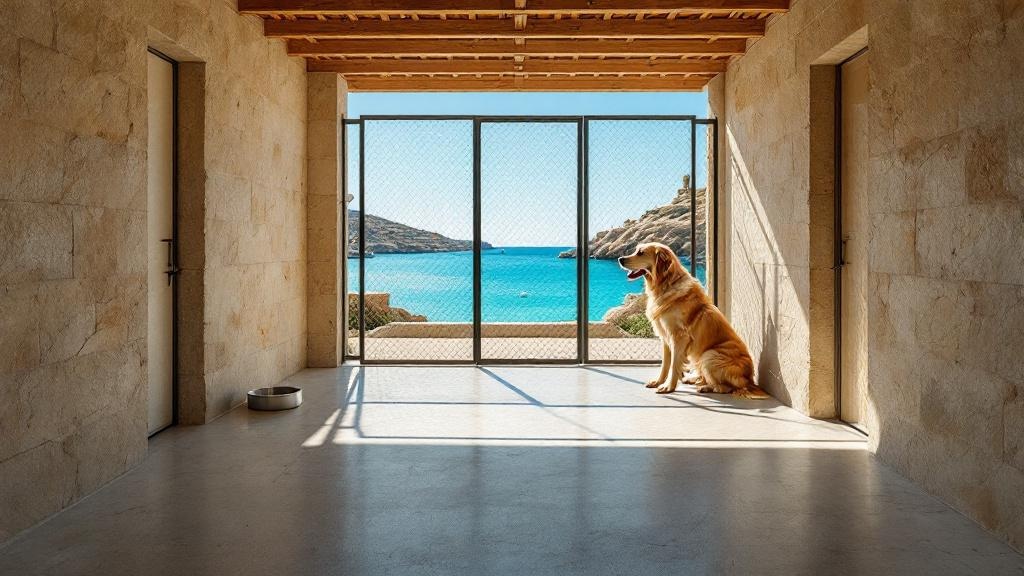
Most UK dogs have never spent a night away from their families, let alone 21 days in institutional care. The psychological preparation matters more than physical health for successful quarantine completion.
Start kennel training three months before departure. Your dog needs to be comfortable spending 8-hour stretches in a crate-sized space without anxiety. Practice feeding in confined spaces and reducing dependence on constant human interaction. Dogs who cannot adapt to kennel environments sometimes refuse food for days, creating veterinary emergencies that extend quarantine periods.
Bring familiar items that survive institutional washing: a worn t-shirt with your scent, a specific toy, or bedding from home. The facility allows some personal items, but they must withstand industrial cleaning protocols. Soft fabric items work better than squeaky toys or rope items that harbor bacteria.
Consider your dog’s temperament honestly. Anxious or highly social dogs suffer more during quarantine isolation. Some owners choose to delay relocation or make alternative arrangements rather than subject psychologically fragile pets to mandatory isolation.
The Argument for Delay: Timing Your Arrival
Immigration advocates argue that families shouldn’t separate from their pets, and quarantine shouldn’t dictate relocation timing. That’s emotionally understandable but practically wrong. The timing of your dog’s quarantine significantly impacts their experience and your costs.
Arriving during Malta’s cooler months (November through March) reduces heat stress and makes the outdoor kennel sections more tolerable. Summer arrivals face additional veterinary monitoring and higher risk of heat-related complications that can extend the quarantine period beyond 21 days.
Malta’s veterinary processing is slower during summer holiday periods and December festivities. Dogs arriving during these windows often wait longer for final clearance, even after completing their 21-day isolation. Plan arrival for April-May or September-October when processing runs smoothly and weather conditions are optimal.
What Success Looks Like
Dogs complete quarantine successfully when they maintain body weight, show normal behavior patterns, and pass final veterinary clearance without complications. Success requires preparation that most UK owners underestimate.
The dogs who adapt best are those conditioned to kennel environments, comfortable eating institutional dog food, and psychologically resilient to reduced human contact. Owners who invest in pre-quarantine preparation see their pets emerge from Ta’ Qali ready to enjoy Malta’s excellent dog-friendly beaches and hiking trails.
But understand the reality: even well-prepared dogs show stress behaviors during quarantine. Weight loss of 5-10% is common, and behavioral changes like increased clinginess or anxiety around strangers can persist for weeks after release. Your dog will be physically healthy but emotionally impacted by the experience.
The Brutal Economics of Brexit
Pre-Brexit, UK dogs entered Malta with simple vaccination records and health certificates, treated as EU pets with minimal bureaucracy. Brexit’s third-country classification subjects British pets to the same controls as dogs from developing nations with active rabies transmission.
This isn’t anti-British sentiment or bureaucratic spite. Malta’s veterinary authorities follow EU regulations that treat all third-country animals identically, whether they’re from Surrey or Sudan. The UK’s decision to leave EU veterinary agreements created this requirement, and Malta cannot grant exceptions without jeopardizing their own EU compliance.
Some UK owners attempt to circumvent quarantine by routing through EU countries or using pet passport services that promise easier entry. These schemes typically fail at Malta’s border, resulting in longer detention periods and significant additional costs. Malta’s veterinary inspectors are experienced with attempted workarounds and have legal authority to extend quarantine indefinitely for incomplete documentation.
The legitimate options are limited: complete the quarantine process correctly, delay your relocation until your dog can travel separately, or make alternative arrangements that don’t involve bringing your pet to Malta. Attempting to game the system consistently backfires with consequences that fall on your dog.
- Budget €800-1200 total costs including all fees, documentation, and transportation
- Start kennel training and documentation process 3-4 months before planned departure
- Time arrival during cooler months (November-March) to reduce heat stress
- Use DEFRA-approved Official Veterinarians for all export documentation
- Prepare for psychological impact on both dogs and families during 21-day separation