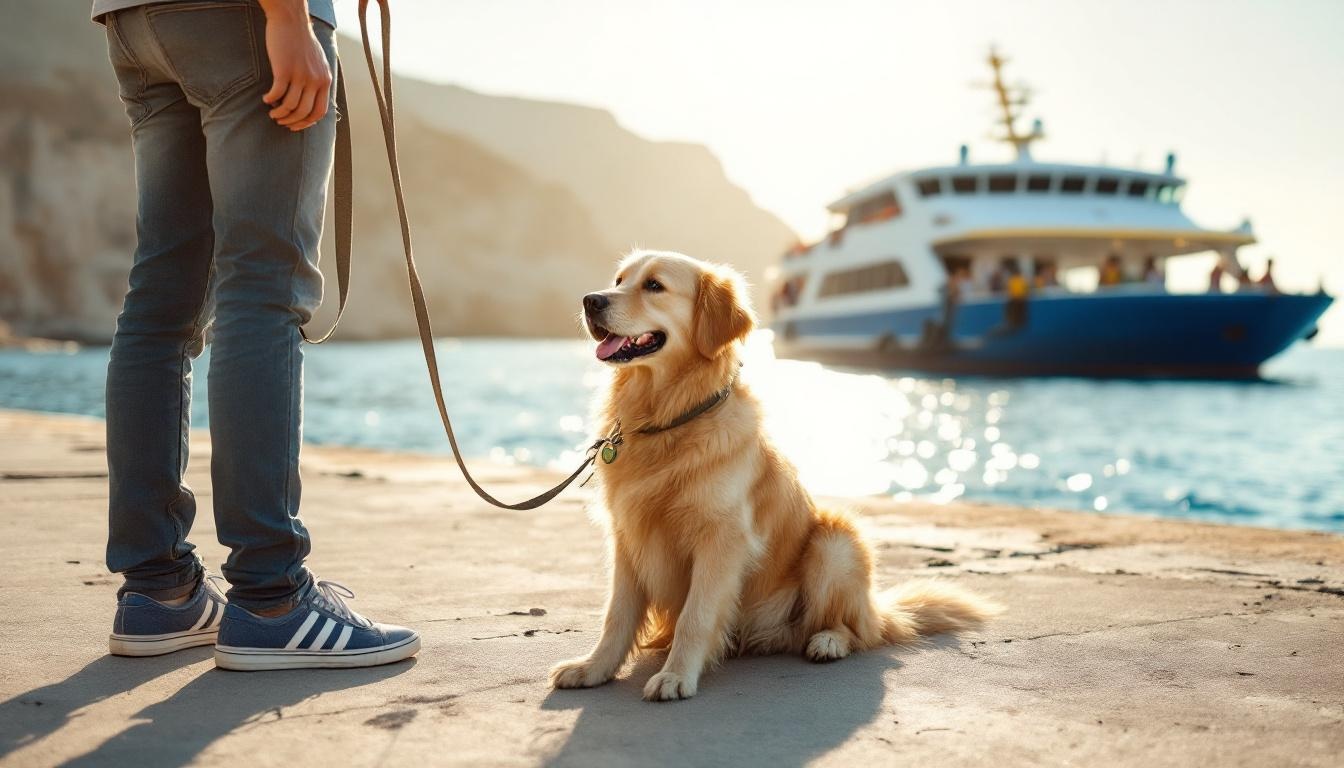
The woman at Ċirkewwa terminal was near tears, her golden retriever panting in the July heat as the ferry official explained she couldn’t board without advance booking. She’d driven forty minutes from Valletta, assuming all Gozo ferries worked the same way. They don’t.
Transportation stress compounds exponentially when owners arrive unprepared with their dogs. The combination of heat, unfamiliar environments, and last-minute changes creates a perfect storm for canine anxiety and owner panic.
Malta’s inter-island ferry system creates a minefield of confusion for dog owners, with two operators running different policies that change seasonally and aren’t clearly posted online. After watching dozens of families get refused boarding or face unexpected complications, the pattern is clear: the mistakes happen because owners treat Gozo ferry travel like a simple boat ride instead of regulated animal transport.
The Operator Split That Catches Everyone
Most dog owners assume Gozo Channel Line handles all Malta-Gozo crossings. Wrong. Two operators run this route with completely different pet policies, and mixing them up is the fastest way to ruin your holiday plans.
Gozo Channel Line operates the main vehicle and passenger service between Ċirkewwa and Mġarr every 45 minutes. Their pet policy allows dogs in vehicles at no extra charge but restricts foot passengers with pets to specific sailings. You cannot walk on with your dog during peak hours (8 AM to 6 PM) from June through September.
Virtu Ferries runs a passenger-only fast ferry service with stricter pet restrictions year-round. Dogs must travel in carriers that fit under seats, limiting transport to small breeds only. No exceptions, regardless of season.
The distinction matters because most Malta dog owners have medium to large breeds poorly suited to carrier transport. Choosing Virtu Ferries without understanding their size restrictions leaves you stranded at the terminal with no alternatives until the next Gozo Channel departure.
Most dog owners significantly underestimate their pet’s adult size when choosing travel options. What works for a puppy becomes completely impractical for the same dog at full size, yet owners rarely reassess their transportation methods as their dogs grow.
The Booking Trap That Empties Summer Plans
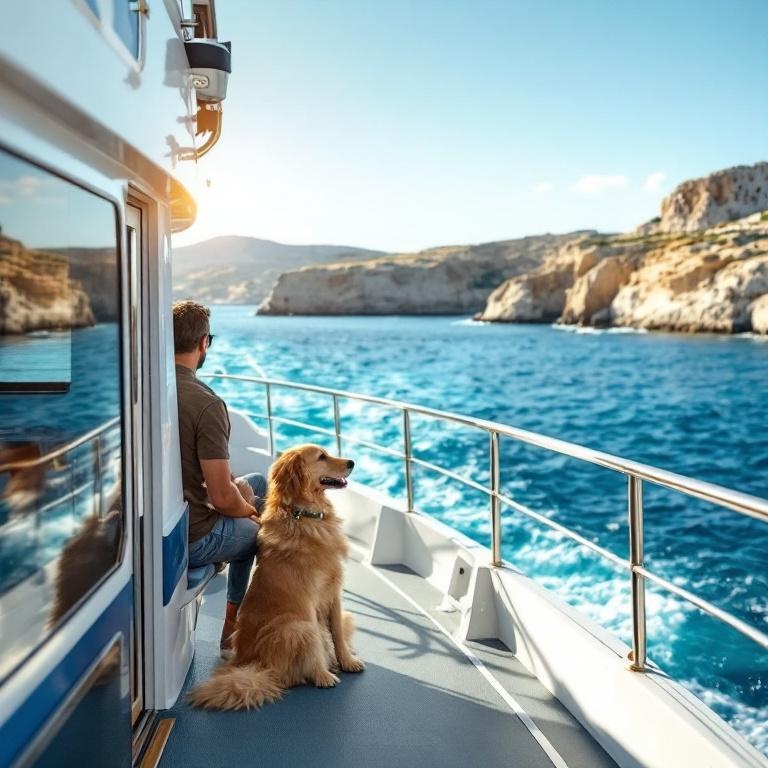
Here’s where good intentions meet harsh reality: Gozo Channel doesn’t require advance booking for cars with pets during off-season months, creating the illusion that summer travel works the same way.
From June through September, vehicle spaces fill completely during weekend periods and Maltese public holidays. Arriving without booking means waiting three to four sailing cycles, often in direct sun with inadequate shade for larger dogs. The pet deck areas lack climate control, and summer temperatures on tarmac at Ċirkewwa regularly exceed 35°C by mid-morning.
Foot passengers face even tighter restrictions. Summer foot passenger pet spaces are limited to six per sailing and must be booked 48 hours in advance through the online system. Phone booking isn’t available for pet spaces. The website doesn’t clearly explain this requirement until you reach the payment page, by which point many owners assume the process is too complicated and attempt walk-up boarding.
The booking system reveals another crucial detail: pet foot passenger tickets cost €3.50 extra per dog, each way. Vehicle transport includes pets at no additional cost. For owners of multiple dogs, the pricing difference can justify bringing a car even for short Gozo visits.
Documentation Beyond Vaccination Records
Every Malta dog owner knows their pet needs current vaccinations, but inter-island ferry travel requires additional documentation that catches many families unprepared.
Malta’s microchipping requirement extends to inter-island transport, meaning ferry operators can request proof of chip registration at boarding. The microchip number must match vaccination records exactly and discrepancies cause boarding delays while staff verify identity.
More problematic: dogs traveling to Gozo during hunting season (September through January) need additional health certification if staying overnight. Gozo’s hunting areas expose dogs to different disease vectors than Malta proper, and the Veterinary Services Department requires updated parasite prevention records for extended stays.
The documentation requirement that trips up most owners involves rabies titer testing for dogs over six months old traveling during peak tourist season. This isn’t widely advertised but becomes mandatory when ferry loads exceed 80% capacity, typically weekend sailings from May through October.
Weather Restrictions Nobody Explains Upfront
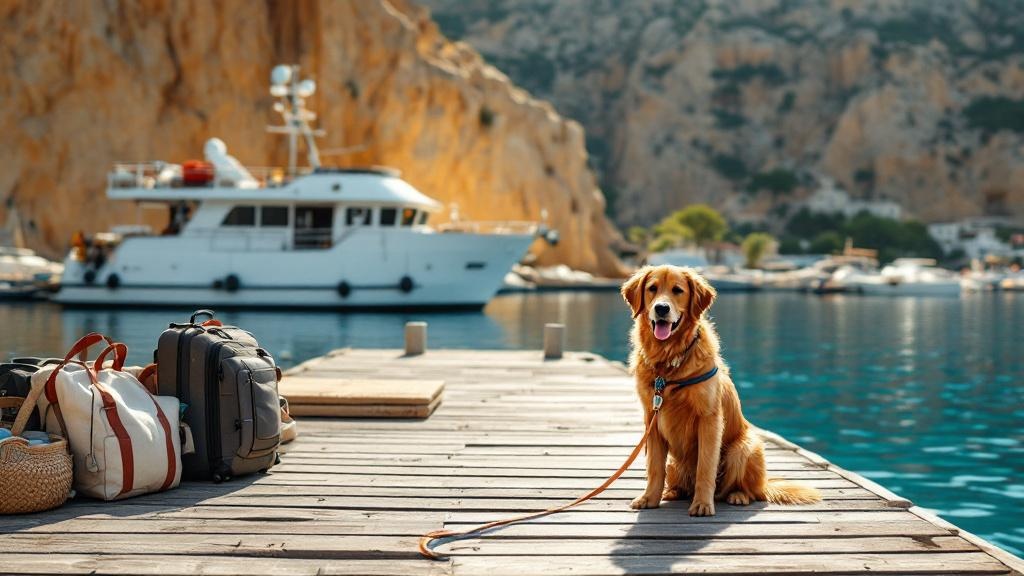
Summer sailing conditions create pet safety restrictions that ferry operators enforce inconsistently, leaving owners guessing until arrival.
When deck temperatures exceed 40°C or when winds drop below 5 knots (creating poor ventilation), Gozo Channel restricts pet foot passengers to air-conditioned indoor areas only. Sounds reasonable until you discover the indoor pet area accommodates exactly twelve dogs maximum. Booking confirmation doesn’t guarantee indoor space access during extreme weather.
Vehicle passengers face different restrictions: dogs cannot remain in parked cars on the vehicle deck during summer crossings due to heat accumulation. Owners must escort pets to designated outdoor areas, but these areas become unusable when temperatures peak. The result is sailing delays that can stretch 45-minute crossings into three-hour ordeals.
Weather-related delays trigger a policy most dog owners never see coming: extended journey pet welfare checks. If delays exceed two hours, ferry staff require proof that dogs have adequate water and recent food access. Owners who pack light for short crossings find themselves purchasing overpriced pet supplies at terminal shops or facing authorities questions about animal welfare.
The Car Versus Foot Passenger Decision
The choice between bringing a vehicle or traveling as foot passengers fundamentally changes your pet transport experience, and most owners make this decision based on Gozo accommodation needs rather than ferry logistics.
Traveling by car offers significant advantages: no size restrictions, no advance booking requirements outside peak season, climate-controlled waiting in vehicle queues, and zero additional pet fees. The downside involves longer boarding procedures and potential vehicle deck delays during peak periods.
Foot passenger travel works well for small, calm dogs comfortable with crowds and noise. The passenger deck environment can overwhelm anxious or reactive dogs, especially during busy tourist season sailings when indoor space becomes crowded and loud.
The determining factor should be your specific dog’s temperament and size rather than Gozo transportation needs. A nervous rescue dog will handle vehicle transport far better than passenger deck crowds, regardless of whether you need a car in Gozo.
Peak Season Restrictions That Blindside Regulars
Malta’s tourist season creates pet travel restrictions that don’t apply during quieter months, catching even experienced dog owners unprepared.
From July through August, both ferry operators implement “pet passenger caps” that limit total dogs per sailing regardless of booking status. These caps activate when human passenger loads exceed certain thresholds, typically weekend departures and returns. Your confirmed pet booking can be bumped to later sailings when caps engage.
The caps work differently for each operator: Gozo Channel bumps to the next available sailing at no additional cost but without compensation for timing delays. Virtu Ferries offers full refunds but no rebooking assistance, often leaving owners without alternatives for same-day travel.
Religious festival periods create additional complications. During village feast weekends, both operators prioritize resident travel over tourist bookings, and pet spaces get particularly squeezed. The Santa Marija week (mid-August) typically sees pet booking success rates below 60% for non-residents.
Terminal Facilities That Don’t Match Expectations
Both Ċirkewwa and Mġarr terminals offer limited facilities for pets, despite handling thousands of dog passengers annually.
Ċirkewwa provides one designated pet relief area located behind the main terminal building, accessible only during specific hours when security staff can unlock gates. Outside these hours, dogs must use roadside areas with no waste disposal facilities. The relief area lacks water access and offers minimal shade during midday periods.
Mġarr terminal conditions are worse: no designated pet areas, limited shade, and waste bins located far from passenger queuing areas. The terminal layout forces dog owners to choose between maintaining queue positions and providing proper pet care during boarding delays.
Both terminals lack climate-controlled waiting areas accessible to pets, making summer travel particularly challenging for thick-coated breeds or elderly dogs. The assumption that ferry travel involves short waits breaks down quickly during peak season operations.
Making the Right Choice for Your Dog
Successfully navigating Gozo ferry travel with dogs requires matching ferry operator policies to your specific pet’s needs and your travel flexibility.
Choose Gozo Channel with vehicle transport for large dogs, multiple pets, or inflexible travel schedules. The vehicle option eliminates most restrictions and provides climate control during delays. Book advance for summer weekend travel, but off-season vehicle transport works reliably as walk-up service.
Select Virtu Ferries only for small dogs comfortable in carriers and when schedule flexibility exists. The faster crossing time benefits anxious pets, but the restriction-heavy booking process and limited rebooking options make this choice risky during peak periods.
Avoid foot passenger travel during summer months unless your dog thrives in crowded, noisy environments and you have backup travel date options. The cost savings rarely justify the complications and stress.
Most importantly, prepare for weather delays and terminal facility limitations regardless of operator choice. Successful Gozo ferry travel with dogs involves planning for the worst-case scenario rather than optimizing for perfect conditions.
- Gozo Channel and Virtu Ferries have completely different pet policies; research both before booking
- Summer peak season requires advance booking for foot passengers with pets; vehicle transport offers more flexibility
- Weather restrictions can delay or cancel pet travel with minimal notice; pack extra supplies and water
- Required documentation includes microchip registration matching vaccination records; discrepancies cause boarding delays
- Terminal facilities for pets are minimal; plan for limited shade, water access, and relief areas