
Brexit fundamentally changed how dogs enter Malta from the UK, and pet owners are still discovering this the hard way. What used to be a straightforward EU pet passport journey now requires third-country import procedures that can take months to complete properly.
I’ve watched too many families arrive at Malta International Airport with invalid documentation, assuming their UK vet knew the new rules. The reality is harsher: Malta now treats British dogs exactly like those coming from the United States or Australia. The casual cross-border pet travel that defined EU membership is over.
Brexit has created a fundamental shift in pet travel that many owners still don’t grasp. What used to be simple EU movement now requires the same complex procedures as importing from any non-EU country, with months of advance planning essential.
Here’s what actually works for getting your dog to Malta legally, safely, and without the nightmare of unexpected quarantine or rejected entry.
Secure an Official Veterinary Health Certificate
Forget everything you knew about EU pet passports for UK dogs. Malta’s Veterinary Regulation Department now requires an official veterinary health certificate (OVC) issued by an authorized veterinarian in your departure country. This is not the same document your local vet usually provides.
In the UK, only Official Veterinarians (OVs) authorized by APHA (Animal and Plant Health Agency) can issue these certificates. Your regular vet cannot do this, even if they’ve handled your dog’s healthcare for years. The OVC must be completed no more than 10 days before travel.
The biggest mistake pet owners make post-Brexit is assuming their regular vet can handle EU export documentation. Only APHA-authorized Official Veterinarians can issue the health certificates required for third-country status, and many pet owners discover this too late.
The health certificate covers vaccination status, parasite treatments, microchip verification, and clinical examination results. Every detail must match Malta’s import requirements exactly. Small discrepancies that wouldn’t matter for EU travel can now block entry entirely.
Navigate Rabies Vaccination and Antibody Testing
This step catches most people unprepared. Malta requires rabies antibody titration testing for dogs from non-EU countries, and the timeline is non-negotiable.
Your dog needs a current rabies vaccination, followed by a blood test taken at least 30 days after vaccination. The test must show rabies antibody levels of at least 0.5 IU/ml. Then comes the crucial part: you must wait 21 days from the date the successful blood sample was taken before your dog can enter Malta.
For dogs with existing rabies vaccinations, the antibody test can often be done immediately if the vaccination is still current. The 21-day waiting period starts from the blood sample date, not the vaccination date.
The blood sample must be processed by an EU-approved laboratory. UK labs like the Animal Health Trust or Glasgow University are accepted, but confirm current approval status before testing.
Complete Malta’s Import Documentation
Malta’s import process requires advance notification to the Veterinary Regulation Department. This isn’t automatic; you must contact them directly with your travel plans and documentation.
Submit your application at least 7 days before arrival, including copies of the health certificate, rabies antibody test results, proof of microchip, and flight details. The department needs time to process your submission and confirm Malta International Airport is prepared for your dog’s arrival.
Malta’s official government gazette publishes current import requirements, which can change with little notice. Check this before submitting your documentation, not after.
Plan Climate-Appropriate Travel Timing
Malta’s summer heat creates serious complications for dog imports that most guides ignore. Airlines restrict pet travel when temperatures exceed 29°C (84°F) at origin, destination, or any connection point. In Malta, this means potential restrictions from May through September.
Air Malta and most European carriers suspend live animal transport during peak summer heat, typically from mid-June through August. Even when flights are available, exposing dogs to Malta’s summer temperatures immediately after long-distance travel creates unnecessary health risks.
Plan arrivals for October through April when possible. If summer travel is unavoidable, book early morning or late evening flights, and have immediate access to air conditioning upon arrival. Malta’s summer temperatures regularly exceed 35°C (95°F), with high humidity that affects dogs more severely than dry heat.
Arrange Airport Procedures and Collection
Malta International Airport’s Animal Health Division operates differently than larger European hubs. Your dog will be examined by Maltese veterinary authorities upon arrival, which happens in a separate facility from passenger terminals.
Notify the airport’s cargo handling agent (typically Aviaserve Malta) about your dog’s arrival at least 48 hours in advance. They coordinate with customs and veterinary authorities to ensure proper handling and documentation processing.
Budget 2-4 hours for collection procedures, depending on flight arrival times and documentation complexity. The airport veterinary inspection cannot be rushed, and Malta’s officials are thorough about verification.
Consider using professional pet relocation services familiar with Malta’s procedures. Companies like Animal Travel International or Pets2Fly understand local requirements and can navigate complications that stop individual pet owners cold.
Complete Malta Registration Requirements
Malta law requires all dogs to be registered with local authorities within 72 hours of arrival. This applies to imports, not just permanent residents. Your dog needs a Malta-compliant microchip (ISO 11784/11785 standard) and registration with the Commissioner for Animal Welfare.
If your dog’s existing microchip doesn’t meet Malta standards, re-chipping is required immediately. Most UK and EU microchips are compliant, but confirm before travel rather than discovering problems after arrival.
Registration involves a brief veterinary inspection by a Malta-licensed vet, updated vaccination records, and a small fee (typically €20-30). Several veterinary clinics near Malta International Airport offer same-day registration services for new arrivals.
The Real Cost of Getting It Wrong
Brexit penalties for incorrect pet importation are severe and expensive. Dogs arriving with invalid documentation face immediate quarantine at owner expense, which costs €45-60 per day at Malta’s approved facilities. A typical quarantine period lasts 21 days, meaning €945-1260 in fees plus veterinary costs for required testing and treatments.
Quarantine facilities in Malta are limited and often fully booked during peak travel seasons. Your dog might face weeks of waiting even if you’re willing to pay quarantine costs. Some dogs with invalid documentation have been refused entry entirely, requiring immediate return flights at owner expense.
The argument that “we used to bring dogs to Malta easily before Brexit” is completely irrelevant to current procedures. Malta immigration authorities don’t make exceptions based on previous travel experiences or documentation that was once valid.
What Actually Costs Money
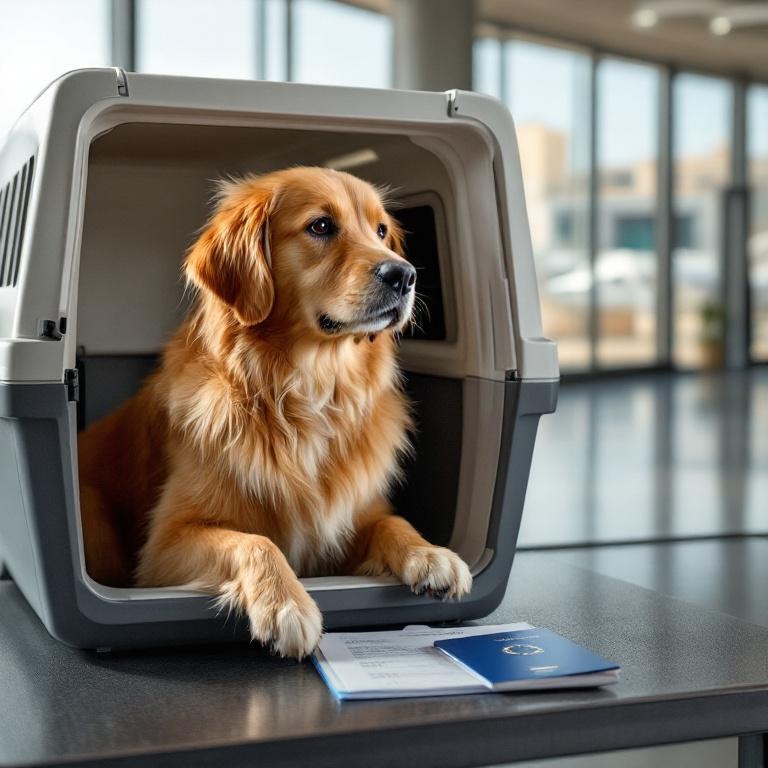
Budget €800-2000 for complete import procedures, depending on your departure country and dog’s vaccination history. Major cost components include:
Official veterinary health certificate: €150-250 in most EU countries, £200-300 in the UK. Rabies antibody testing: €80-120 for the test, plus laboratory processing fees. Professional pet transport: €400-800 for door-to-door service within Europe. Airport handling and veterinary inspection fees: €100-200 depending on arrival timing and complexity.
These costs are non-negotiable. Attempting to save money by cutting corners on documentation or professional services typically results in much higher expenses when problems arise at Malta’s border.
- UK pet passports are invalid for Malta entry post-Brexit; official veterinary health certificates are now mandatory
- Allow minimum 21 days after rabies antibody testing before travel, regardless of existing vaccination status
- Malta’s summer heat (May-September) creates airline restrictions and health risks for arriving dogs
- Total costs range €800-2000 depending on origin country and service level chosen
- Malta registration within 72 hours of arrival is legally required, not optional
- Professional pet relocation services prevent costly documentation errors and airport complications