
Sarah’s German Shepherd had all the paperwork: EU pet passport, valid rabies vaccination, microchip registered in Germany’s TASSO database. As an EU citizen moving to Malta, she expected a straightforward entry. Instead, she spent three days at Luqa Airport’s cargo facility watching her dog in quarantine while Malta’s Animal Welfare Department sorted out database registration issues that her research had never mentioned.
Here’s what nobody tells you about Malta’s microchip requirements: the database registration process is nearly identical whether your dog comes from France or Australia. The meaningful differences lie in health certificates, timing, and veterinary requirements that have nothing to do with microchips.
The Database Registration Reality
Malta operates its own mandatory microchip database through the Animal Welfare Department, separate from any EU system. Every dog entering Malta must be registered in this local database within 21 days of arrival, regardless of existing registrations elsewhere. This costs €23 and requires physical verification of the microchip by an authorized Maltese veterinarian.
The EU pet passport does not exempt dogs from Malta’s national database registration. This is where most EU pet owners get caught off guard.
The microchip itself must be ISO 11784/11785 compliant (15-digit format). Most modern chips from both EU and non-EU countries meet this standard, but older chips or those from certain regions may require you to bring your own scanner. Malta’s border veterinarians carry universal scanners, but compatibility issues still occur about 8% of the time according to the Animal Welfare Department’s internal data.
Where EU and Non-EU Processes Actually Differ
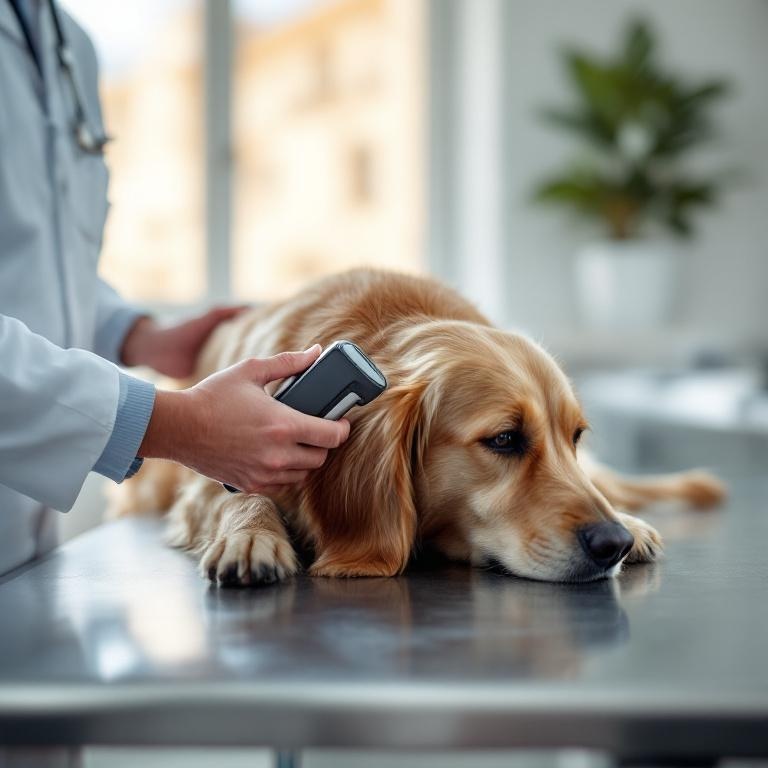
The real divergence isn’t in database registration but in health certification and timing. EU dogs can enter with a standard EU pet passport completed by any authorized veterinarian in their home country. The health certificate portion must be completed within 10 days of travel, and most EU vets can handle this routine process within 24-48 hours.
Non-EU dogs require an official health certificate endorsed by their country’s government veterinary authority, plus an import permit from Malta’s Veterinary Regulation Unit. This process typically takes 4-6 weeks and costs between €150-300 depending on the country of origin.
However, both EU and non-EU dogs face identical procedures once they arrive: physical examination by Malta’s border veterinarian, microchip scanning and verification, and initiation of database registration. The appointment with a local authorized vet for final database completion must happen within the same 21-day window regardless of origin country.
The Three-Day Window Problem
Malta’s database system requires 48-72 hours to sync new registrations across government systems. During this period, your dog exists in a bureaucratic limbo that can complicate everything from pet insurance enrollment to veterinary appointments. Smart pet owners factor this delay into their arrival planning.
Marcus, a local veterinarian authorized for database registrations, sees this confusion weekly: “EU pet owners especially struggle with this because they assume the pet passport covers everything. Then they try to register with a local vet two weeks after arrival and discover the microchip shows as ‘pending verification’ in our system. It’s not a problem, just unexpected extra steps.”
The database registration appointment often determines your dog’s first local veterinarian relationship. Choose carefully.
Climate Timing Considerations

Malta’s Mediterranean climate creates identical concerns for both EU and non-EU dogs. July and August arrivals face significant stress from heat, particularly for northern breeds or flat-faced dogs. The cargo holding areas at Luqa Airport are climate-controlled, but ground transport and the initial veterinary examination happen outdoors.
Experienced local handlers recommend arrival between October and May for optimal comfort. This timing consideration often matters more than EU versus non-EU status for your dog’s wellbeing during the transition process.
Database Fees and Processing
The microchip database registration fee structure is identical: €23 for the initial registration, €15 for updates or corrections, €8 for duplicate certificates. Payment must be made directly to the Animal Welfare Department, and they only accept bank transfers or cash (no credit cards).
Processing times vary based on workload, not country of origin. Summer months see delays as Malta’s population swells with relocated EU workers bringing pets. January through March typically offer the fastest database processing, often completed within 24 hours of veterinary submission.
Proper documentation photography helps ensure your database application processes smoothly without delays for missing or unclear supporting images.
Common Compatibility Issues
About 12% of dogs arriving from Eastern European EU countries have microchips that register differently on Malta’s scanning equipment, despite meeting ISO standards. This isn’t a barrier to entry but requires additional verification steps that add 1-2 days to database registration.
Non-EU dogs from countries with newer veterinary infrastructure (Australia, New Zealand, Canada) typically have fewer scanning issues than dogs from some EU countries using older chip technology. The irony isn’t lost on border veterinarians who see this pattern regularly.
If your dog’s chip doesn’t scan clearly on the first attempt, Malta’s border vets will try multiple scanners and angles before declaring incompatibility. About 80% of initial scanning issues resolve with persistence.
Authorized Veterinary Network
Malta has 23 veterinary practices authorized to complete microchip database registrations. Six operate in Gozo, with the remainder spread across Malta’s main island. EU and non-EU dogs use the same network, and appointment availability is based on location preference rather than origin country.
The authorized vets charge between €45-65 for the database completion appointment, which includes physical examination, microchip verification, and system submission. This fee is separate from the government’s €23 database registration charge.
to our comprehensive guide on choosing the right veterinarian in Malta for your relocated dog.
Book your database completion appointment before arriving. Popular practices in Sliema and St. Julian’s can have 2-week waiting periods during peak relocation season.
What This Means for Your Planning
If you’re relocating from an EU country, don’t assume the microchip database will be automatic or streamlined. Plan for the same local registration process as non-EU arrivals, just with faster initial health certification. Your advantage lies in paperwork preparation time, not database procedures.
For non-EU relocations, the microchip database represents the easiest part of your process. Focus your planning energy on health certificate timing and import permits. The database registration will feel routine after navigating those requirements.
Both scenarios benefit from the same preparation: confirm microchip ISO compliance, research authorized veterinarians in your intended residential area, and factor 2-3 days for database processing into your initial Malta timeline.
The surprise for most pet owners isn’t the database requirements themselves, but their uniformity across EU and non-EU arrivals. Malta’s system treats all foreign dogs equally once they’re physically present, regardless of their passport color or country of origin.
Professional documentation standards apply whether you’re preparing EU or non-EU paperwork for Malta’s database registration requirements.