
Malta’s dog regulations are a labyrinth of local council bylaws, seasonal restrictions, and enforcement patterns that change between villages just minutes apart. What works in Marsaxlokk will get you fined in Sliema, and summer rules bear no resemblance to winter access.
The fundamental problem is that Malta operates under a patchwork system where each of the 68 local councils sets its own dog restrictions within broader national guidelines. This creates a situation where crossing from one locality to another can suddenly make your morning dog walk illegal. Most online resources either oversimplify this complexity or rely on outdated information that hasn’t kept pace with recent council changes.
The fragmented approach to municipal governance in Malta creates significant challenges for both residents and enforcement agencies. When you have 68 separate councils operating with minimal coordination, inconsistent policy implementation becomes inevitable.
Here’s the systematic approach that actually works for determining where your dog is welcome in Malta’s public spaces, based on the current regulatory landscape as of 2024.
Map Your Local Council Boundaries and Bylaws
Before planning any dog outing, identify which local councils you’ll be crossing through. Malta’s councils publish their own dog-related bylaws, and these vary dramatically even between adjacent areas.
Valletta maintains strict restrictions year-round, prohibiting dogs in most public gardens and limiting street access to early morning hours (before 7 AM). The council justifies this based on high foot traffic and heritage site preservation concerns.
Urban heritage sites face constant pressure from increased foot traffic, and introducing pets into these sensitive environments compounds the conservation challenges. The restrictions in Valletta are primarily driven by the need to preserve our World Heritage status.
Sliema and St. Julian’s operate under tourism-focused restrictions that intensify during peak season. Dogs are banned from the entire Sliema waterfront promenade from May through October, but the same route is accessible during winter months with certain time restrictions.
In contrast, southern councils like Marsaxlokk and Birzebbuga take a more lenient approach, particularly outside designated swimming areas. The fishing village atmosphere in these localities generally supports more relaxed enforcement.
Decode Seasonal Beach Restrictions
Malta’s beach regulations operate on a dual system: year-round council restrictions plus seasonal bathing area prohibitions enforced by Transport Malta and local wardens.
The critical period runs from May 1st through October 31st, when designated bathing areas become strictly off-limits to dogs. However, this doesn’t mean entire beaches close. Many beaches have non-bathing sections that remain accessible, but you need to understand the specific demarcations.
Golden Bay exemplifies this complexity. During summer, the main bathing area (marked by red and yellow flags) prohibits dogs completely. But the northern rocky section and the area beyond the beach club remain accessible year-round, provided you access them via the coastal path rather than walking through the restricted bathing zone.
Mellieha Bay operates differently. The entire sandy beach becomes dog-free from May through October, but the adjoining Ghadira Nature Reserve allows leashed dogs year-round on designated paths.
Identify Early Morning and Evening Access Windows
Many locations that appear completely dog-restricted actually allow access during specific hours. This time-based system is particularly common in tourist-heavy areas where councils balance local dog owners’ needs with visitor comfort.
The Sliema promenade, while banned to dogs during peak hours, allows leashed dogs between 6 AM and 8 AM, then again after 8 PM during summer months. Winter hours extend to 7 AM and 7 PM respectively.
Valletta’s Upper and Lower Barrakka Gardens follow a similar pattern, permitting dogs before 8 AM and after 7 PM, but only on leash and only in designated walkway areas, not on the grass or near monuments.
These time restrictions exist because Malta’s Mediterranean climate makes early morning and evening the most comfortable times for both dogs and owners during hot months.
Navigate Gozo’s Different Enforcement Culture
Gozo operates under the same legal framework as mainland Malta, but enforcement patterns and local customs create a distinctly different experience for dog owners.
Gozo councils generally take a more relaxed approach to dog restrictions, particularly in rural areas and smaller villages. Xlendi Bay, while technically subject to seasonal bathing restrictions, rarely sees active enforcement outside the immediate swimming area in front of the restaurants.
Ramla Bay presents an interesting case study. The orange sand beach itself follows standard seasonal restrictions, but the surrounding countryside paths and the approach from Calypso’s Cave remain dog-accessible year-round.
However, don’t mistake relaxed enforcement for absence of rules. Victoria (Rabat) maintains strict restrictions in Republic Square and the Citadel area, particularly during festa season and tourist peak periods.
Understand Private vs. Public Space Complications
Malta’s complex land ownership patterns mean that apparently public spaces often have private elements with separate rules. This is particularly relevant for beach clubs, hotel grounds, and shopping complexes that appear integrated with public areas.
The Tigne Point area illustrates this perfectly. The waterfront promenade is public space subject to Sliema council regulations, but the adjacent shopping complex and hotel grounds are private property with their own pet policies, which are generally more restrictive.
Similarly, many beach locations have public access but private beach club sections. Smart dog owners learn to identify these boundaries before arriving, as walking through a private section to reach a dog-friendly public area can still result in problems.
Research the specific land ownership patterns for new locations, especially in developed coastal areas where public access might route through private property.
Build Your Verified Location Database
Rather than relying on generic online lists, create your own database of verified dog-friendly locations with current access conditions. This approach pays dividends because Malta’s regulations change frequently.
Start with confirmed year-round locations: Buskett Gardens (with restrictions in certain sections), most rural countryside paths outside Natura 2000 sites, and specific beaches like Armier Bay’s northern section.
Document seasonal locations with their exact dates and conditions. For example, note that Paradise Bay’s dog access depends on which section you use and whether you’re there during the May-October restriction period.
Include backup options for each area. If your planned beach visit fails due to unexpected restrictions or crowding, having alternative dog-friendly locations nearby prevents wasted trips.
The most reliable dog-friendly locations consistently include: countryside walks in the Victoria Lines area, the coastal path between Marsalforn and Salt Pans in Gozo, non-swimming sections of rocky coastlines, and early morning access to many urban areas.
What Breaks This System
This framework fails in several predictable situations that dog owners should anticipate.
Special events completely override normal access rules. Festa celebrations, political gatherings, film productions, and tourist events can suddenly restrict previously accessible areas. The challenge is that these events aren’t always well-publicized in advance, particularly smaller local celebrations.
Weather conditions create enforcement variations that don’t follow the official rules. During particularly hot summer days, some wardens become more lenient about time restrictions, recognizing animal welfare concerns. Conversely, during peak tourist periods, enforcement often becomes stricter than the written regulations suggest.
Staff turnover at local councils means enforcement interpretation can change without official policy changes. A new warden might interpret existing bylaws more strictly or more leniently than their predecessor.
The system also breaks down when dealing with service dogs and assistance animals which have different legal protections under EU accessibility legislation but face confusion from local enforcement officers unfamiliar with these distinctions.
When to Use Alternative Approaches
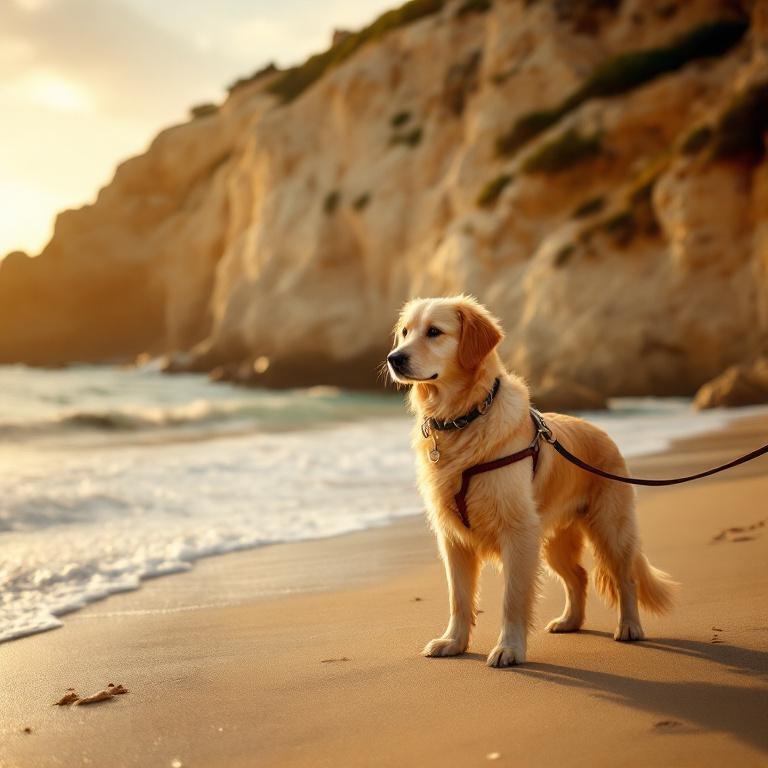
This systematic approach works best for regular residents and longer-term visitors who can invest time in understanding local patterns. It’s less suitable for short-term tourists who need immediate, simple answers.
For brief visits, focus on consistently dog-friendly locations rather than trying to navigate complex restriction systems. Stick to countryside walks, early morning coastal paths, and confirmed year-round accessible areas.
During peak summer months (July and August), consider abandoning beach-focused activities entirely in favor of inland alternatives. Malta’s countryside paths, temple sites with accessible grounds, and mountain areas provide better experiences without the complexity of seasonal coastal restrictions.
For first-time visitors, partnering with local dog owners or hiring local pet services provides insider knowledge that no amount of research can replace. The local dog walking community has practical experience with enforcement patterns that official regulations don’t capture.
The reality is that Malta’s dog access rules reflect the island’s broader challenge of balancing resident needs with tourism demands in a very small space. Understanding this context helps dog owners work within the system rather than fighting against it.
- Each of Malta’s 68 local councils sets different dog restrictions, making location research essential before traveling
- Seasonal beach bans (May-October) apply only to designated bathing areas, not entire coastlines
- Early morning and evening access windows exist for many restricted areas, particularly in tourist zones
- Gozo follows the same legal framework but has more relaxed enforcement outside Victoria and major tourist sites
- Private property within public areas can have separate restrictions that override local council rules
- Special events and weather conditions can override normal access rules without advance notice