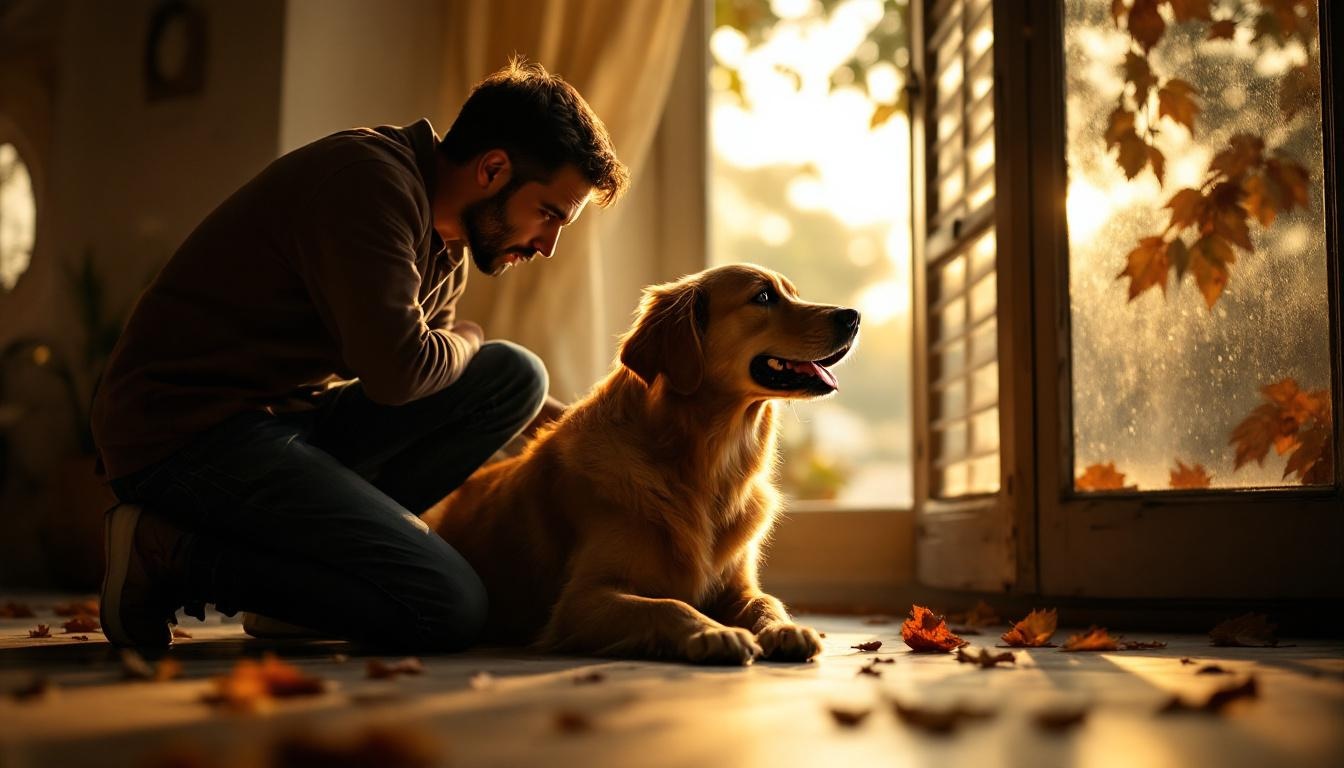
Every October, I watch the same pattern unfold in my veterinary practice across Malta: anxious phone calls from dog owners whose pets are suddenly panting, pacing, or refusing walks. The Gharb winds have arrived, and another season of reactive crisis management begins. Here’s what most owners don’t realize: the dogs struggling most aren’t just “sensitive” , they’re unprepared for a weather system that combines temperature swings, pressure drops, and airborne debris in ways that don’t exist anywhere else in the Mediterranean.
Environmental stressors like temperature fluctuations and pressure changes don’t just cause discomfort, they can fundamentally alter a dog’s stress response system. Proactive conditioning protocols are far more effective than reactive interventions once the animal is already in crisis.
Malta’s northwesterly Gharb winds aren’t just “windy weather.” They create a perfect storm of physiological stressors that can trigger everything from respiratory distress in brachycephalic breeds to severe anxiety in already nervous dogs. The limestone dust, sudden 8-10°C temperature drops, and barometric pressure changes hit harder here than comparable wind systems elsewhere because of our geography. Most preparation advice fails because it treats Gharb season like a European winter instead of the unique Mediterranean phenomenon it actually is.
The framework I’ve developed over fifteen years of Malta practice prevents these issues by addressing the root cause: dogs that haven’t been systematically conditioned for the specific combination of stressors our wind season brings. It works because it mirrors how working dogs are prepared for challenging environments, adapted for the realities of Maltese housing and climate.
Weather sensitivity in dogs is grossly underestimated by most pet owners. Barometric pressure changes can trigger anxiety responses hours before humans even notice a weather shift, and this is especially pronounced in dogs with existing stress vulnerabilities.
Phase One: Pressure Acclimatization (August-September)
Start this phase 6-8 weeks before peak Gharb season. The goal is conditioning your dog’s nervous system to barometric pressure changes before they become dramatic. Malta’s weather shifts are more extreme than most Mediterranean locations because we’re exposed on all sides, making gradual acclimatization critical.
Create artificial pressure changes using your home’s air conditioning and heating systems. Run the AC for 30 minutes, then turn it off and open windows briefly, then close them and run heating. This mimics the temperature and humidity fluctuations that accompany pressure changes. Do this twice daily, gradually increasing the duration over two weeks.
Watch for early stress signals: excessive panting when temperature changes are minimal, restlessness during weather shifts, or changes in appetite when fronts move through. Dogs showing these signs need slower acclimatization and possibly veterinary evaluation before proceeding.
Phase Two: Environmental Desensitization (September)
Gharb winds bring specific environmental challenges that don’t exist during Malta’s calm seasons: limestone dust, salt spray, and debris that can injure paws or irritate eyes. This phase builds tolerance to these elements gradually.
Source a small fan and limestone dust (available from construction suppliers in Marsa or Qormi). Create controlled exposure sessions where you run the fan with minimal dust amounts while your dog is engaged in positive activities like treat training or play. Increase dust levels gradually over ten days.
Practice emergency recall indoors during these sessions. Gharb winds can make dogs bolt unexpectedly, and Malta’s geography means they can quickly reach dangerous areas like coastal cliffs or busy roads. Your recall needs to work when your dog is already stressed and dealing with reduced visibility.
Phase Three: Shelter Training (Late September)
Malta’s building construction creates unique challenges during Gharb season. Limestone homes with minimal insulation mean indoor temperatures can drop significantly, but closing all windows creates air quality issues. Dogs need to be comfortable in confined spaces with altered air circulation.
Set up your dog’s “weather shelter” in the most protected area of your home , typically an interior room away from northwest-facing windows. This isn’t their normal sleeping area; it’s specifically for severe weather periods. Include familiar bedding, water, and enrichment toys.
Practice shelter sessions daily, starting with 30 minutes and building to 4-6 hours. During these sessions, simulate the conditions they’ll experience: reduced natural light, different air circulation, and the background noise of wind. Use recordings of Gharb wind sounds (many Malta expat groups share these) played at increasing volumes.
The key indicator of readiness is your dog choosing to enter their shelter space voluntarily when they hear wind sounds, rather than showing avoidance behaviors.
Phase Four: Full System Testing (Early October)
Before the first major Gharb winds arrive, run complete system tests using all elements together: pressure changes, environmental stressors, and shelter protocols. This reveals gaps in preparation that aren’t obvious when practicing elements separately.
Monitor Malta’s official weather services for the first moderate wind warnings of the season. Use these as practice opportunities rather than waiting for severe weather. Your dog should demonstrate calm behavior during 6-hour shelter sessions with simulated conditions running.
Establish your communication plan with your veterinary clinic. During severe Gharb periods, some practices have limited hours or emergency-only policies. Know exactly whom to contact and what their severe weather protocols are. Most Malta vets (including the emergency clinic in San Gwann) maintain some level of service, but response times can be extended.
When This Framework Fails
The system breaks down predictably in three scenarios, all related to misunderstanding Malta’s specific conditions. First, owners who skip or rush the acclimatization phase because they’re starting late in the season. The pressure conditioning cannot be compressed into less than two weeks without creating additional stress.
Second, applying this framework to dogs with existing medical conditions without veterinary clearance. Heart conditions, severe arthritis, or respiratory diseases can be exacerbated by the controlled stressors used in preparation. Research shows that environmental conditioning requires baseline health to be effective.
Third, the framework assumes Malta’s typical Gharb patterns. Climate change is creating more unpredictable weather events, and some wind periods now last longer or arrive earlier than historical patterns suggest. Dogs prepared for 3-4 day wind events may struggle with week-long periods.
Alternative Approaches for High-Risk Dogs
Some dogs are not candidates for this preparation framework. Elderly dogs (over 10 years), dogs with diagnosed anxiety disorders, or breeds with extreme brachycephalic features may need pharmaceutical management instead of behavioral conditioning.
For these cases, work with your veterinary practice to establish a medication protocol before Gharb season begins. Anti-anxiety medications like trazodone or gabapentin can be prescribed for weather-specific use, but they require trial periods to establish effective dosing.
Temporary relocation is also viable in Malta. Many dog-friendly accommodations in southern Malta (areas around Marsaxlokk or Birzebbuga) experience significantly less Gharb impact due to geographic protection. Some owners arrange alternative housing for their dogs during severe weather periods.
The Real Stakes of Poor Preparation
The consequences of inadequate Gharb preparation aren’t just discomfort. Last season, I treated three dogs for injuries sustained while bolting during wind events: lacerations from limestone debris, a dislocated shoulder from a panicked leap over a rubble wall, and severe dehydration from a dog that refused to eat or drink for four days during a prolonged wind period.
The psychological damage can be permanent. Dogs that experience severe weather trauma often develop generalized anxiety around any weather changes, making them difficult to manage year-round. Malta’s unpredictable weather means these dogs become progressively more stressed throughout their lives.
Property damage from unprepared dogs is also significant. Scratched doors, destroyed furniture from anxiety behaviors, and escape attempts through windows or balcony railings create both financial costs and safety risks in Malta’s multi-story housing.
Success Indicators and Seasonal Management
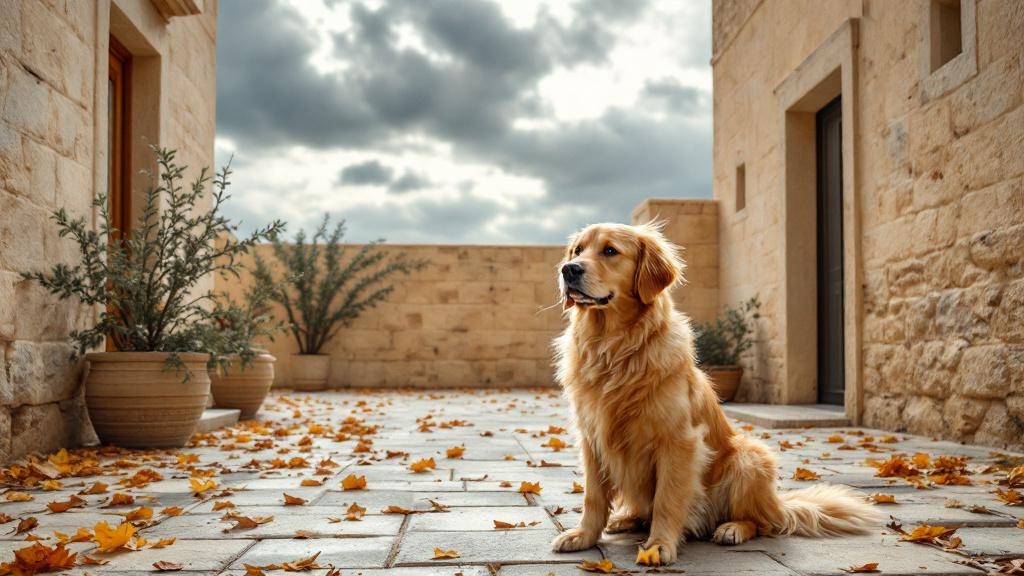
A properly prepared dog will show specific behaviors when Gharb conditions begin: voluntary movement to their shelter space, calm body language during pressure changes, and maintained appetite during weather events. They’ll still be aware of the weather but won’t show distress behaviors.
Maintenance during Gharb season involves monitoring weather forecasts and implementing shelter protocols proactively rather than reactively. Malta’s weather can change rapidly and dogs benefit from being in shelter mode before conditions become severe rather than trying to calm them after stress behaviors begin.
Post-season evaluation is critical for refining next year’s preparation. Note which elements of the framework worked well and which created challenges. Dogs often need modified approaches as they age or if their living situations change.
- Start Gharb preparation 6-8 weeks before peak season (August for October winds) with pressure acclimatization
- Malta’s limestone construction and geography create unique preparation requirements different from European winter dog care
- Dogs showing medical symptoms during preparation phases need veterinary evaluation before continuing
- System testing with actual weather events is essential before severe Gharb periods begin
- Alternative approaches including medication or temporary relocation may be necessary for high-risk dogs