
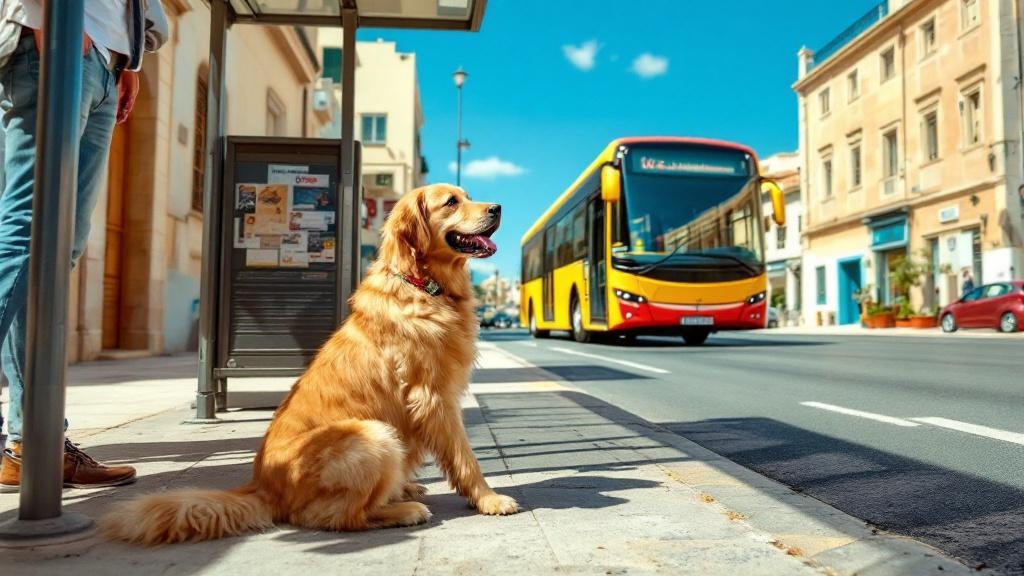
Malta Public Transport doesn’t want your dog on their buses, and they’re not apologetic about it. While you’ll find scattered forum posts claiming otherwise, the official policy is clear: only guide dogs and assistance dogs with proper documentation are permitted on public buses.
This reality hits hardest for elderly dog owners without cars, tourists who brought their pets to Malta, and residents trying to live car-free while keeping their four-legged companions happy. The gap between what dog owners need and what Malta’s transport system provides creates daily frustrations that go far beyond inconvenience.
What Malta Public Transport Actually Says About Dogs
Malta Public Transport’s customer service policy, available through their official channels, states that animals are prohibited on all buses except for guide dogs and assistance dogs that are properly registered and documented. This isn’t a gray area subject to driver discretion or route-specific exceptions.
Public transport policies that exclude pets create significant welfare concerns, particularly in Mediterranean climates where temperatures can be life-threatening for animals. The stress of finding alternative transport often leads to reduced veterinary visits and compromised care for companion animals.
The policy exists for legitimate reasons: Malta’s buses are often overcrowded, especially during summer tourist season and rush hours. Routes serving popular areas like Valletta, Sliema, and St. Julian’s can become standing-room-only affairs where a nervous dog poses genuine safety risks. Air conditioning, while present on newer buses, struggles against Malta’s brutal summer heat when doors open frequently at stops.
Overcrowded public transport creates a perfect storm for animal-related incidents, with limited escape routes and heightened stress levels for both pets and passengers. Transport operators are absolutely right to prioritize passenger safety over pet convenience in these confined spaces.
Transport Malta, the regulatory authority, supports this position through their published guidelines on transport.gov.mt. The regulations align with EU accessibility standards that prioritize assistance animals while giving operators discretion over pet policies.
The Service Dog Exception: Narrower Than You Think

Before you consider claiming your dog provides emotional support, understand that Malta follows strict EU guidelines on assistance animals. The exemption applies exclusively to:
- Guide dogs for visually impaired individuals
- Hearing dogs for deaf or hard-of-hearing persons
- Mobility assistance dogs for individuals with physical disabilities
- Medical alert dogs with specific training certifications
Each category requires documentation from recognized training organizations and medical professionals. Malta doesn’t recognize emotional support animals or therapy dogs under transport regulations, regardless of foreign certifications you might possess.
The documentation process through Malta’s social services can take months, making this route impractical for tourists or recent residents. Even legitimate service dog owners report occasional challenges with uninformed bus drivers, though Malta Public Transport generally trains staff on accessibility requirements.
Why Bus Travel with Dogs Fails Practically
Even if regulations allowed pets, Malta’s bus system presents practical obstacles that make dog transport problematic. Summer temperatures inside buses can reach dangerous levels during the boarding process, particularly on routes serving inland areas like Mdina or Rabat where shade is minimal at stops.
The route network, while extensive, involves connections that extend journey times significantly. A trip from Marsaxlokk to Golden Bay might require two transfers and 90 minutes each way. That’s three hours of stress for a dog that could reach the same destination in 25 minutes by car.
Crowded conditions on popular routes create additional problems. The 201 and 202 buses serving Malta International Airport often pack tourists with luggage alongside daily commuters. The X1 and X2 express services to Valletta become sardine cans during cruise ship arrival days. These aren’t environments where even well-trained dogs thrive.
Gozo’s Different Reality
Gozo presents a more complex situation that deserves separate consideration. The smaller island’s bus network, while operated under the same Malta Public Transport banner, faces different practical pressures.
Gozo buses serve fewer passengers and cover a more rural network where overcrowding is less common. Some long-term Gozo residents report more flexible enforcement of pet policies, particularly on routes serving rural areas like Għarb or San Lawrenz. However, this shouldn’t be interpreted as official policy.
The Gozo Channel ferry presents its own considerations. Small dogs in carriers are generally permitted on foot passenger decks, but the connecting bus services maintain the same restrictions as Malta’s main island network. This creates a gap for tourists hoping to explore Gozo with their pets using public transport.
Better Alternatives That Actually Work
Malta’s transport limitations force dog owners toward alternatives that often prove more practical anyway. Here’s what actually works:
eCabs Pet-Friendly Service
eCabs, Malta’s primary ride-hailing service, allows pets in carriers or on leashes with advance notice. Drivers can decline pet rides, but acceptance rates are high outside peak hours. Cost runs €15-25 for most cross-island journeys, roughly equivalent to a day’s bus passes for two people.
Traditional Taxi Services
Malta’s white taxi fleet varies in pet acceptance, but calling ahead usually secures pet-friendly transport. Airport transfers with dogs cost €25-35, compared to impossible public transport connections that would require walking the final stretch anyway.
Car Rental Consideration
Weekly car rental rates in Malta start around €150-200, making them cost-competitive with daily taxi rides for dog owners planning multiple outings. The freedom to control climate and timing often justifies the expense for visitors staying more than a few days.
Walking Network Strategy
Malta’s compact size makes walking viable for many destinations. Valletta sits within 30 minutes’ walk of Floriana and parts of Sliema. Coastal paths connect many resort areas without requiring transport. The Professional Photographers of America Education resources often highlight Malta’s walkable photography locations that work well for dog owners seeking exercise routes.
Planning Around Transport Reality
Successful dog ownership in Malta requires accepting transport limitations and planning accordingly. This means:
Choosing accommodation within walking distance of essential services like veterinary clinics, pet stores, and dog-friendly beaches. Areas like Sliema, St. Paul’s Bay, and parts of Valletta offer this density.
Building relationships with pet-friendly taxi drivers who can provide regular service. Many drivers appreciate consistent customers and offer competitive rates for repeat business.
Timing outings for early morning or evening hours when temperatures allow for longer walks and taxi rides are more available.
Researching destinations before departure to ensure they’re reachable through your chosen transport method. Many of Malta’s most dog-friendly locations sit outside the practical reach of public transport anyway.
The Summer Heat Factor
Malta’s climate amplifies every transport decision involving dogs. July and August temperatures regularly exceed 40°C, making bus stops dangerous for pets even if transport were permitted. Bus shelters provide minimal shade, and many stops offer none at all.
Air-conditioned taxis become essential rather than luxurious during peak summer. The cost difference between public transport and climate-controlled private transport shrinks when you factor in your dog’s safety and comfort.
Early morning and late evening become the only practical times for longer journeys with dogs, regardless of transport method. This reality shapes daily routines more than transport policies do.
- Malta Public Transport bans all animals except properly documented assistance dogs
- Service dog exemptions require extensive documentation and don’t cover emotional support animals
- eCabs and traditional taxis offer pet-friendly alternatives at reasonable costs
- Car rental becomes cost-effective for dog owners planning multiple outings
- Malta’s summer heat makes climate-controlled transport essential for pet safety
- Walking networks work well for many destinations due to Malta’s compact size