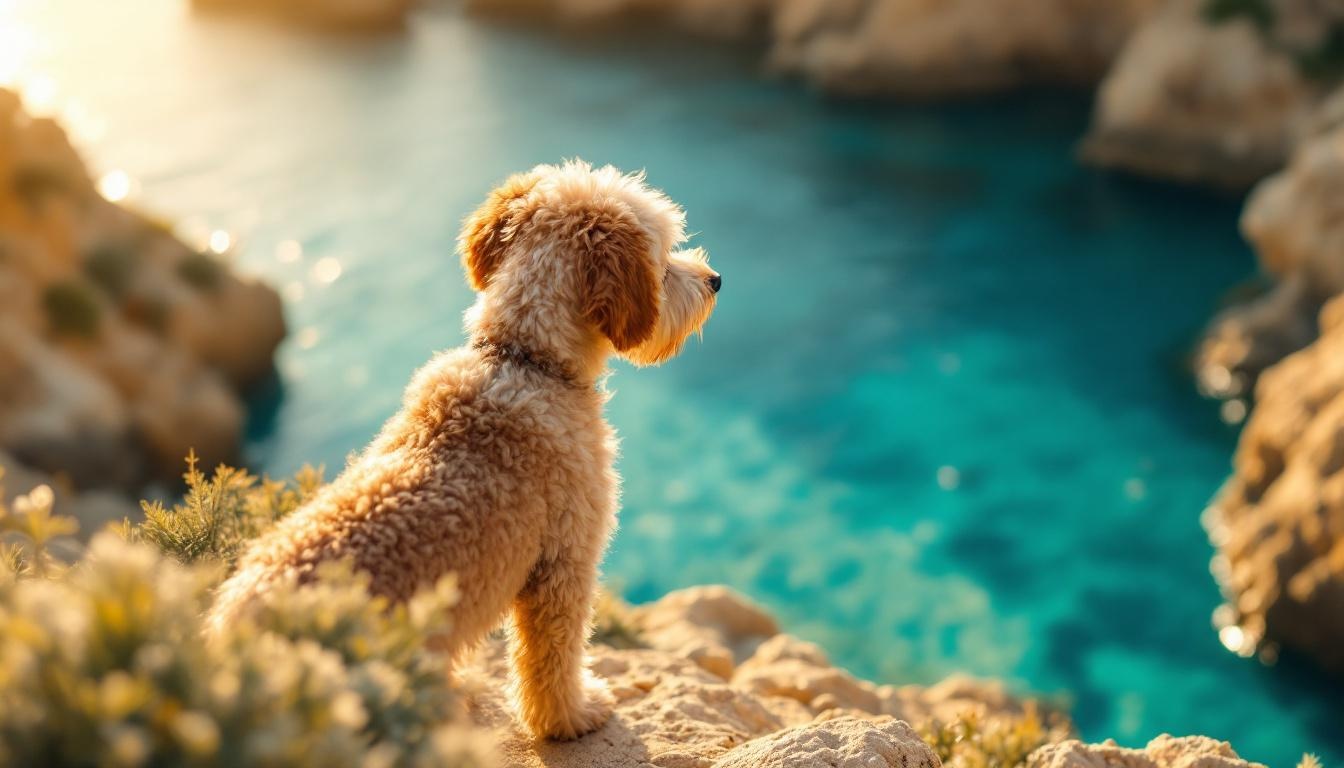
After watching countless Maltese families struggle with water dog breeds that looked perfect on paper but wilted in our 35°C summers or barked incessantly in Sliema apartments, I decided to test the reality myself. Over eighteen months, I fostered and evaluated four water dog breeds across Malta’s actual living conditions: the rocky shores of Għar Lapsi, the summer furnace of Valletta apartments, and the weekend crowds at Golden Bay.
The Breeds I Tested
My evaluation included Portuguese Water Dogs, Spanish Water Dogs, Irish Water Spaniels, and American Water Spaniels. Each lived with me for 3-4 months during different seasons, experiencing Malta’s full environmental range from January’s 15°C winds to August’s brutal humidity.
Apartment acoustics can amplify a dog’s vocalizations in ways that make even moderate barkers seem problematic to neighbors. The physical structure of Mediterranean buildings, often with tile floors and minimal sound dampening, creates particular challenges for certain breeds regardless of their outdoor exercise needs.
The methodology was straightforward: daily life simulation. Morning walks through Floriana, afternoon swims at accessible beaches, evening apartment time in a typical 85-square-meter flat in Gzira. I tracked heat stress signs, paw condition after rocky beach exposure, noise complaints from neighbors, grooming requirements, and veterinary needs.
Portuguese Water Dogs: The Clear Winner
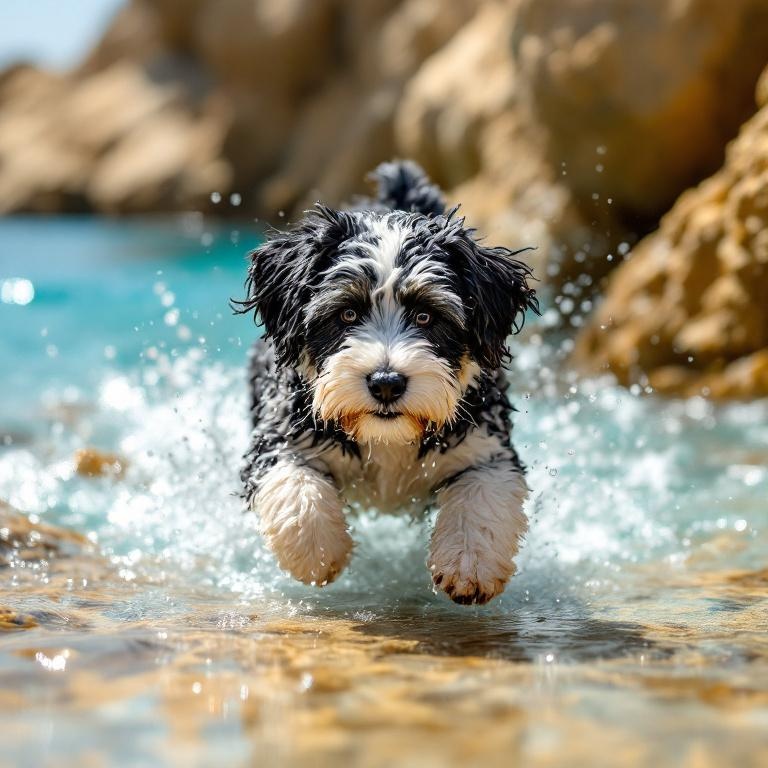
Luna, a three-year-old Portuguese Water Dog, adapted to Malta’s conditions better than I expected. Her single-layer curly coat (not the dense double coat many assume) shed heat efficiently. During July’s peak temperatures, she showed mild panting after thirty minutes of beach activity but recovered quickly in shade.
Single-coat breeds like Portuguese Water Dogs have a significant advantage in hot climates because they can regulate body temperature more efficiently than double-coated breeds. The misconception that all water dogs have thick, insulating coats leads many people to make poor breed choices for Mediterranean living.
At Għar Lapsi’s rocky coastline, her webbed feet handled the limestone scrambles well, though I noticed minor pad wear after repeated sessions. The key discovery: pre-conditioning on rougher surfaces like the steps at Upper Barrakka Gardens built sufficient pad thickness for comfortable rock navigation.
The apartment test revealed unexpected advantages. Portuguese Water Dogs’ working intelligence meant Luna quickly understood noise boundaries. She never received complaints, unlike breeds that came later in my testing. Her exercise needs (90 minutes daily) were substantial but manageable when combining swimming with mental stimulation.
Salt exposure required weekly thorough rinses and monthly professional grooming, available at three specialized groomers in Malta who understand the breed’s coat requirements. The breed’s known health issues (hip dysplasia, progressive retinal atrophy) have reliable veterinary support here, with two clinics offering breed-specific screening.
Spanish Water Dogs: Heat Struggles and Noise Issues
Miguel, a Spanish Water Dog, faced immediate challenges. His double coat trapped heat despite regular grooming. During August testing, he required indoor cooling breaks every twenty minutes and showed stress panting at temperatures above 28°C. This breed’s coat evolved for Spain’s drier climate, not Malta’s humidity.
The apartment acoustic problem was severe. Spanish Water Dogs were bred as livestock guardians and retain strong territorial instincts. Miguel barked at corridor footsteps, neighboring dogs, and delivery trucks. Within two weeks, I received formal noise complaints from the housing administrator. The breed’s vocal nature, beneficial in rural Spain, becomes problematic in Malta’s dense housing.
Swimming ability was excellent, but the heat limitations meant restricted beach access to early mornings and late evenings. This scheduling constraint significantly impacted the lifestyle flexibility most Maltese owners need.
Irish Water Spaniels: Size Meets Reality
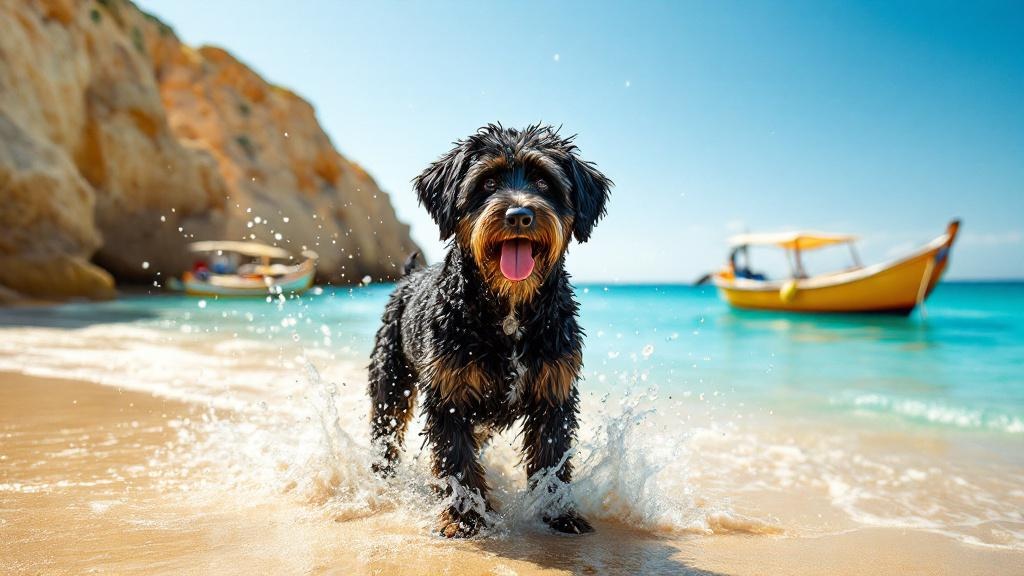
Finn, an Irish Water Spaniel, highlighted Malta’s space constraints immediately. At 27 kilograms and built for covering large territories, he struggled in apartment confines despite daily swimming at Pretty Bay. His exercise requirements (two hours minimum) exceeded what most working Maltese owners can provide consistently.
The breed handled heat moderately well, better than Spanish Water Dogs but requiring more cooling breaks than Portuguese Water Dogs. However, the size factor dominated every consideration. Taxi rides, apartment elevators, and beach access stairs all presented logistical challenges.
Malta’s grooming infrastructure couldn’t support his specialized coat needs. His thick, tight curls required specific expertise that local groomers lack. After three months, his coat condition deteriorated despite my best efforts.
American Water Spaniels: The Forgotten Alternative
Rosie, an American Water Spaniel, surprised me with her adaptability but revealed why this breed rarely appears in Malta. Her moderate size (20 kilograms) and single coat handled heat well, apartment living was comfortable, and noise levels remained acceptable.
The deal-breaker was availability and veterinary support. American Water Spaniels are rare in Europe, meaning specialized health screening, breeding quality assessment, and emergency veterinary knowledge are virtually non-existent in Malta. This isolation factor makes the breed impractical despite environmental suitability.
The Salt Water Reality
Every breed faced salt exposure challenges, but responses varied significantly. Portuguese Water Dogs, bred for ocean work, needed the least intervention. Weekly freshwater rinses and monthly deep coat cleaning prevented skin irritation.
Spanish and Irish Water Dogs required daily post-swim rinses and showed skin sensitivity within two weeks without proper care. Their double coats trapped salt longer, creating irritation that owners often mistake for allergies. The grooming cost multiplied accordingly.
Mediterranean salt content is higher than Atlantic waters these breeds typically encounter. Standard grooming advice from breed guides doesn’t account for this difference. Local veterinarian Dr. Sarah Mifsud at the Attard Animal Clinic confirmed that salt dermatitis cases spike during summer months among water breeds whose owners follow generic care protocols.
The Apartment Acoustics Factor
Malta’s housing density creates acoustic challenges that breed selection guides ignore. Apartment walls in older buildings (most of Valletta, Floriana, and inner harbor areas) transmit sound readily. Water breeds’ vocal tendencies, acceptable in suburban environments, become relationship problems with neighbors quickly.
Portuguese Water Dogs adapted to this constraint naturally. Spanish Water Dogs did not, despite consistent training efforts. The difference stems from breeding purposes: Portuguese Water Dogs worked closely with humans in confined boat spaces, while Spanish Water Dogs guarded flocks across open territories.
Building administrators in popular expat areas (Sliema, St. Julian’s, Msida) report noise complaints as the primary reason for pet-related tenancy issues. This factor alone eliminates several otherwise suitable breeds.
Exercise Beyond Swimming
The assumption that water access solves exercise needs proved consistently wrong. Swimming provides cardiovascular benefits but limited mental stimulation for intelligent breeds. Every water dog I tested required additional structured activity regardless of beach access.
Portuguese Water Dogs thrived with puzzle feeders and training sessions. Spanish Water Dogs needed territory patrol opportunities (impossible in apartments). Irish Water Spaniels required retrieval games beyond water work. American Water Spaniels adapted to varied mental stimulation readily.
Malta’s limited dog park infrastructure means creative exercise solutions. The Marsa Dog Park serves the south, but northern residents rely on beach access and private arrangement. Weekend crowding at Golden Bay and Mellieħa Bay reduces practical swimming opportunities during peak family times.
- Portuguese Water Dogs adapt best to Malta’s heat, apartment living, and coastal conditions
- Spanish Water Dogs’ double coats and vocal nature create problems in Malta’s climate and housing density
- Rocky coastline conditioning requires gradual paw toughening on varied surfaces before beach access
- Daily salt rinses prevent skin irritation that owners often misdiagnose as allergies
- Apartment noise considerations matter more than swimming ability for successful long-term ownership
- Local veterinary support and grooming infrastructure availability should influence breed choice as much as environmental suitability