
The myth that dogs must be toilet trained exclusively outdoors has sent hundreds of Malta’s apartment-dwelling dog owners into a dangerous summer ritual: dragging their pets onto scorching pavements because they believe indoor alternatives are somehow inferior or “cheating.” This outdated belief is not just wrong, it’s putting dogs at serious risk during Malta’s brutal summer months when pavement temperatures soar past 60°C.
The idea that dogs must only be house trained outdoors is completely outdated and ignores basic canine welfare principles. Indoor training methods are not only equally effective but often superior because they provide consistent, safe environments for learning.
Why This Dangerous Myth Persists in Malta’s Dog Community
The outdoor-only training philosophy comes from three persistent sources in Malta’s traditional dog-keeping culture. First, older generations of dog owners who kept dogs primarily as guard animals in houses with yards never needed indoor solutions. Second, European training manuals written for cooler climates don’t account for Mediterranean extremes. Third, there’s genuine social pressure from other dog owners who view indoor training as “spoiling” the dog.
I see this pressure constantly at Malta’s veterinary clinics. Owners arrive with dogs showing clear signs of heat distress, burnt paw pads, or dehydration, but they’re reluctant to discuss indoor alternatives because they’ve been told it will make their dog “lazy” or “dependent.” This advice ignores the basic reality of Malta’s urban environment and summer climate.
The persistence of this myth is also reinforced by Malta’s limited apartment living experience. Many current dog owners are first-generation apartment dwellers whose families previously kept dogs in houses with outdoor access. They’re applying rural solutions to urban problems.
Hot pavement burns are among the most preventable injuries I see in summer veterinary practice. When asphalt reaches 60 degrees Celsius, it takes less than a minute to cause permanent damage to a dog’s paw pads.
The Reality: Indoor Training Works Better, Not Worse
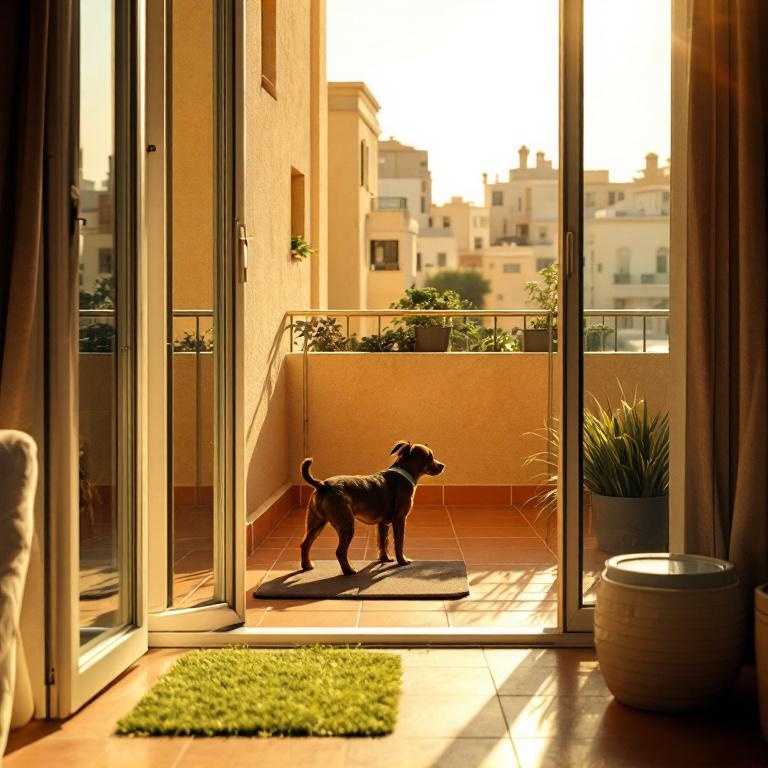
Here’s what actually happens when you train a dog to toilet indoors during Malta’s summer months: you get faster, more reliable results with zero health risks. The mechanism has nothing to do with location and everything to do with consistency, accessibility, and positive association.
Dogs learn toilet behaviors through scent marking and routine reinforcement. When you establish a consistent indoor location with appropriate materials (artificial grass systems work particularly well in Malta’s humidity), you’re providing more frequent opportunities for correct behavior than the limited, dangerous outdoor windows that summer allows.
Consider the practical reality for a dog owner in a typical Malta apartment building. To toilet train outdoors during summer, you must: wait for temperatures below 30°C (usually after 6pm), navigate heated stairwells and elevators, walk on pavement that may still be over 40°C, find an appropriate location among Malta’s limited green spaces, and complete the process quickly before your dog overheats.
Compare this to indoor training: immediate access, climate-controlled environment, consistent scent markers, and unlimited opportunities for positive reinforcement. The dog learns faster because the variables are controlled.
The Specific Mechanism That Makes Indoor Training Superior
Successful toilet training relies on three neurological factors that indoor environments actually optimize better than outdoor ones. First, scent consistency: indoor training locations maintain stable scent markers that don’t get washed away by Malta’s sudden summer storms or contaminated by other dogs. Second, stress-free association: dogs learn faster when they’re not dealing with heat stress, burned paws, or dehydration. Third, timing precision: you can reward correct behavior immediately instead of rushing back indoors before overheating occurs.
The professional training protocols that work in temperate climates need modification for Mediterranean conditions. Malta’s Animal Welfare Act actually supports this approach by requiring owners to protect their animals from extreme weather conditions, which includes not forcing unnecessary exposure to dangerous heat.
Modern indoor systems designed for Malta’s climate include artificial grass patches with drainage systems for humidity control, washable pee pad systems for easy maintenance in small spaces, and even indoor “bathroom” areas with proper ventilation. These aren’t backup solutions, they’re primary training tools that work better than outdoor alternatives during summer months.
The Real Cost of Believing the Outdoor-Only Myth
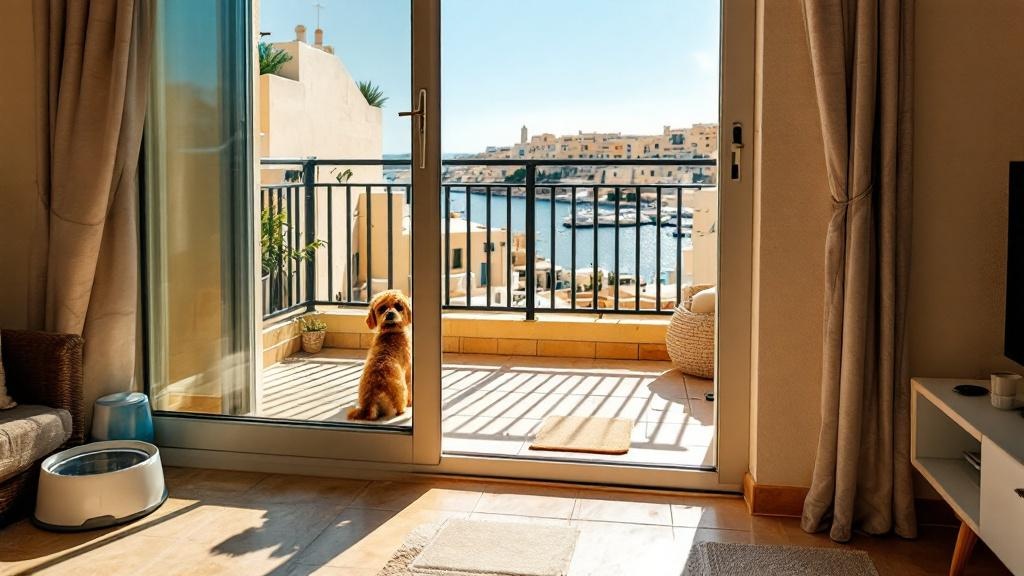
Here’s what happens when Malta dog owners insist on outdoor-only training during summer heat waves. Your dog starts showing reluctance to go outside at 11am because the pavement is already painful. You interpret this as behavioral problems rather than intelligent self-preservation. You force the issue because you believe indoor alternatives are somehow wrong.
The medical costs add up quickly. Heat exhaustion treatment at Malta veterinary clinics runs €150-300 per visit. Paw pad burn treatment requires multiple visits and special boots. But the behavioral costs are worse: dogs that develop fear associations with outdoor toileting because of heat trauma can take months to retrain.
I’ve seen cases where dogs trained during Malta’s summer heat waves develop lifelong anxiety about outdoor surfaces, even during cooler months. They remember that outside means pain and stress. These behavioral issues are entirely preventable with intelligent training approaches.
Malta’s unique urban density makes the problem worse. Unlike rural areas where you might have immediate access to grass or shade, apartment buildings require dogs to traverse heated concrete, metal stairs, and enclosed spaces before reaching any suitable outdoor area. The logistics alone should make indoor training the obvious choice during summer months.
Why Malta’s Geography Demands Adaptive Training
Malta’s 316 square kilometers contain some of the highest population density in Europe, limited green space, and virtually no natural shade during peak summer hours. Villa Bologna, San Anton Gardens, and other public spaces have restricted hours and may be crowded with other dogs, creating additional stress for training purposes.
The island’s limestone construction creates heat absorption that maintains dangerous surface temperatures well into the evening. Even at 7pm, many pavements in Valletta, Sliema, or St. Julian’s remain too hot for safe paw contact. This isn’t a temporary inconvenience, it’s a four-month reality from June through September.
Smart Malta dog owners recognize that Mediterranean living requires Mediterranean solutions. Successful training techniques adapt to local conditions rather than fighting them. Indoor training during summer months, combined with outdoor reinforcement during cooler periods, produces dogs that are both well-trained and physically safe.
The Professional Approach: Hybrid Training for Mediterranean Climates
The most effective approach for Malta’s conditions combines indoor training during dangerous heat periods with outdoor reinforcement during safe temperatures. This isn’t compromising on training standards, it’s optimizing for local conditions.
Start indoor training in May before the heat becomes dangerous. Establish consistent indoor locations and routines while outdoor conditions are still manageable. By June, when pavement temperatures become unsafe, your dog already has reliable indoor options. Continue outdoor training during early morning hours (before 8am) and evening hours (after 7pm) when conditions allow.
This approach produces dogs that are more adaptable, not less. They can toilet safely in any weather conditions, making them better apartment dogs for Malta’s climate extremes. During Malta’s occasional winter storms or spring flooding, indoor-trained dogs don’t experience the stress and confusion that outdoor-only dogs do.
- Malta’s summer pavement temperatures (60°C+) make outdoor-only training dangerous and ineffective
- Indoor training methods work faster due to controlled conditions and consistent scent markers
- The outdoor-only myth persists due to social pressure, not training science
- Hybrid indoor/outdoor approaches produce more adaptable, healthier dogs in Mediterranean climates
- Malta’s Animal Welfare Act supports protecting dogs from extreme weather during training