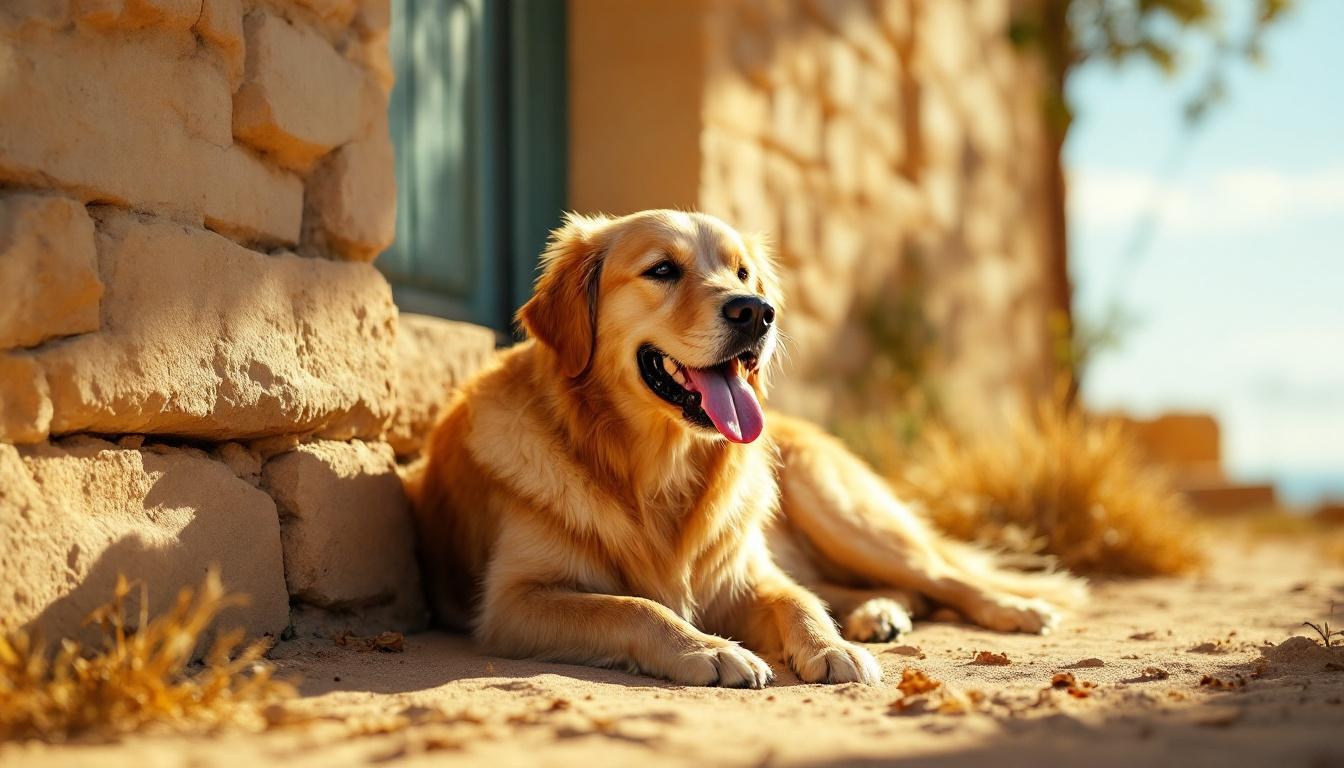
Every summer, Malta’s veterinary clinics see the same preventable tragedy: dogs arriving during peak heat season, struggling with temperatures their bodies simply cannot handle. The difference between a successful relocation and a medical emergency often comes down to a single decision made months earlier: when to make the move.
Here’s the position that matters for your dog’s life: Dogs should arrive in Malta between October and March, giving them at least six months to acclimatise before facing their first Mediterranean summer. This isn’t just comfort advice. It’s the difference between gradual, healthy adaptation and potentially fatal heat stress.
The Acclimatisation Reality Most Expats Miss
The argument for summer arrivals seems logical: warmer weather means easier travel, kids are out of school, and you’re already dealing with heat. Many expat families choose June through August relocations for these practical reasons.
This thinking ignores a critical biological reality. Dogs don’t adapt to extreme heat in weeks. They need months to develop the physiological changes that make survival possible: increased blood volume, improved circulation to extremities, and enhanced panting efficiency. A German Shepherd arriving in July faces 35°C+ temperatures with a body still calibrated for Manchester weather.
Dogs require a minimum of four to six months to physiologically adapt to significant climate changes. Their cardiovascular and respiratory systems need time to adjust blood volume and improve heat dissipation mechanisms before facing extreme temperatures.
Malta’s climate data from the Meteorological Office shows average daily highs exceeding 30°C from June through September, with humidity levels that make effective cooling nearly impossible for many breeds. But averages tell only part of the story.
Malta’s Urban Heat Islands: Where Your Dog Actually Lives

The real danger isn’t Malta’s reported temperature. It’s the microclimate where your dog will actually spend their time. Valletta’s stone streets can reach 45°C on summer afternoons. Sliema’s concrete promenade radiates stored heat until midnight. St. Julian’s dense development creates wind shadows that trap superheated air.
I’ve measured pavement temperatures in Gzira at 2 PM in July: 52°C. That’s hot enough to cause paw pad burns in under 60 seconds. Your dog arriving in peak summer faces these conditions immediately, with zero preparation time.
Rural areas like Mdina and higher elevations in Gozo run 3-5°C cooler, but most expats settle in the urban corridors where property and international schools concentrate. Your housing choice affects your dog’s survival odds.
The Breed Reality Check
Certain breeds popular with British and German expats face particularly severe risks. Bulldogs, Pugs, a
nd other brachycephalic breeds can experience respiratory distress at temperatures that merely inconvenience other dogs. Their shortened airways make efficient cooling nearly impossible in Malta’s humid heat.Pavement temperatures can reach 150°F when air temperature is just 87°F, causing severe burns to paw pads within seconds. Urban heat islands create microclimates that are significantly more dangerous than reported weather station temperatures.
German Shepherds, Golden Retrievers, and other double-coated breeds bred for cooler climates need extensive coat management and behavioral adaptation. A Golden arriving in October can gradually shed their undercoat and adjust exercise patterns. One arriving in July faces immediate overheating risk during basic activities like toilet breaks.
What October Arrival Actually Provides

Dogs arriving in autumn get the Mediterranean equivalent of training camp. October highs average 23°C, November drops to 19°C. Your dog can explore, exercise normally, and establish routines without heat stress.
More critically, they experience Malta’s gradual seasonal transition. December and January lows around 10°C let them maintain some cold tolerance while February and March slowly build toward summer conditions. By June, they’ve had eight months of progressive adaptation.
This timing also aligns with Malta’s social rhythms. Dog parks and walking areas are active during autumn and winter months. Your dog can socialise, bond with you through normal exercise, and build confidence before the summer isolation period when outdoor activity becomes severely limited.
The Exercise and Socialisation Window
Summer arrivals miss Malta’s prime dog season entirely. From November through April, Golden Bay and Ghajn Tuffieha are perfect for off-lead runs. The Sliema to St. Julian’s coastal walk becomes pleasant rather than punishing. Dogs can attend training classes, visit busy areas for socialisation, and establish the behavioral foundation they’ll need during summer’s confined months.
Dogs arriving in July face immediate restrictions. Exercise happens before 7 AM or after 8 PM. Socialisation opportunities disappear. Training becomes crisis management rather than skill building. They’re learning about their new home during the most restrictive, stressful period possible.
The Veterinary Care Factor
Malta’s veterinary services face peak demand during summer months as heat-related cases spike. A dog arriving with adaptation struggles competes for emergency appointments with established pets facing seasonal stress.
October arrivals can establish veterinary relationships during quieter periods, complete routine health checks, and address any underlying conditions before summer stress tests every system. Summer arrivals often meet their vet during a heat stress emergency.
The Import Logistics Advantage
Malta’s pet import requirements through the Veterinary Regulation Department work better with autumn timing. Required health certificates, vaccinations, and paperwork processing face less pressure during off-peak travel seasons.
More practically, your dog faces the stress of international travel, potential quarantine periods, and new environment adjustment during Malta’s most comfortable months rather than its most dangerous ones.
Planning Your Timeline
If you’re considering 2024 relocation, target October through December arrival. This gives maximum adaptation time before summer 2025. Spring arrivals (March-April) provide some acclimatisation period but less buffer for setbacks.
For families with school-age children, the trade-off is real. But consider this: a summer relocation that causes serious heat stress in your dog creates veterinary bills, emotional trauma, and potential long-term health issues that far outweigh schedule convenience.
Some employers offer flexible relocation timing. Use it. Some don’t, but will accommodate delayed pet transport. Explore options before defaulting to summer arrival.
- Target October to March arrival for optimal heat adaptation time
- Urban areas like Valletta and Sliema are 3-5°C hotter than reported averages
- Brachycephalic breeds face life-threatening risks in summer arrivals
- Autumn arrivals access full socialisation and exercise opportunities
- Veterinary care is more accessible during non-summer months