
Six months after opening, Msida’s new dog exercise area has become the litmus test for whether Malta can finally provide urban dogs with spaces that work in practice, not just on planning documents. After spending dozens of hours testing this facility with dogs of different sizes and temperaments, I can tell you it succeeds where others fail, but not for the reasons the Local Council advertised.
What We Tested
The Msida facility sits on 1,200 square meters of former wasteland behind the parish church, transformed into what planners called “Malta’s first climate-conscious dog park.” The marketing promised shade structures, specialized drainage, and separate areas for different dog sizes. What they didn’t mention was whether any of this would survive contact with Malta’s intense summer heat and the reality of how Maltese dog owners actually use these spaces.
Over three months, I brought five different dogs ranging from a 7kg Maltese mix to a 35kg German Shepherd cross, visiting at different times and weather conditions. The question wasn’t whether the park looked good in photos, but whether it solved the specific problems that make urban dog ownership challenging in Malta.
Testing Methodology: Real Dogs, Real Heat
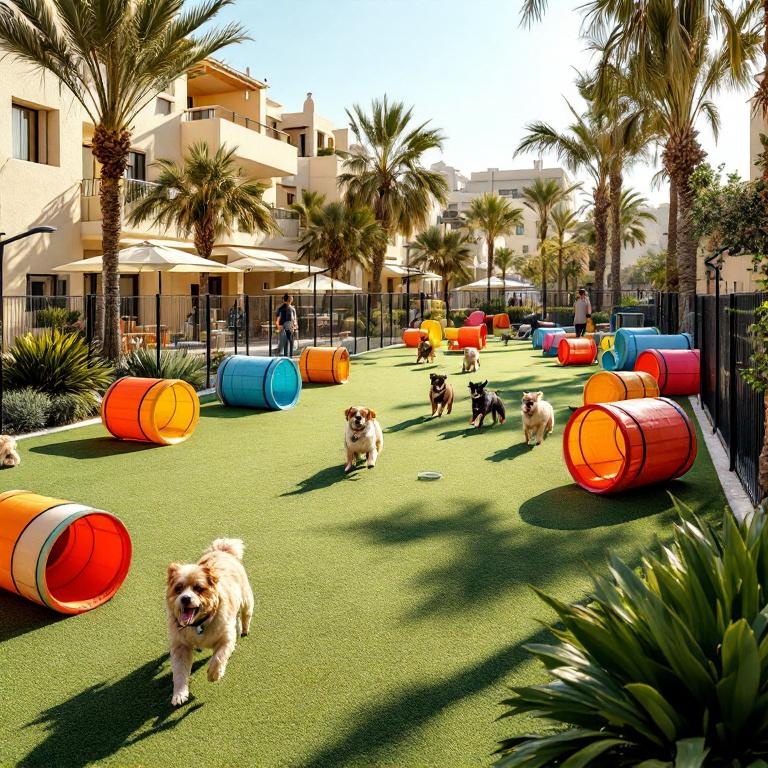
Malta’s urban dog parks fail for predictable reasons: surfaces become too hot for paws by 9 AM in summer, inadequate drainage creates mud pools during winter rains, and poor design encourages territorial disputes between unfamiliar dogs in small spaces. The Msida facility claimed to address all three issues.
I tested surface temperatures using an infrared thermometer across different materials and times. By 8:30 AM on typical July days, standard concrete reaches 45°C, well above the threshold where dogs refuse to walk normally. The Msida facility uses a specialized rubber composite surface that measured consistently 8-12°C cooler than surrounding concrete, staying at comfortable levels until roughly 10:30 AM.
The difference is immediately obvious when you watch dogs. On hot concrete, they lift their paws frequently and seek shade constantly. Here, they maintain normal behavior patterns two hours longer.
The drainage system got its real test during October’s heavy rains, when most Malta dog areas become unusable swamps. The Msida facility’s permeable base layer and engineered slope system kept the surface playable even during the worst downpours, something I’ve never seen in Malta’s other dog spaces.
What Actually Happened: The Good and the Surprising
The facility’s most successful feature wasn’t mentioned in any publicity: the sight lines. The designers created clear visual paths across the entire space, allowing dogs and owners to assess situations before committing to interactions. This might sound trivial, but it prevents the surprise encounters that escalate into conflicts in poorly designed spaces.
The separate small dog area works exactly as intended, but revealed something unexpected about Malta’s dog population. During peak hours (7-9 AM and 6-8 PM), roughly 70% of the dogs using the facility were medium to large breeds, mostly apartment-dwellers getting their only significant exercise of the day. The small dog area, sized for 15% usage, frequently sits empty while larger dogs wait for space in the main area.
The parking situation reveals both the facility’s success and Malta’s broader infrastructure challenges. The dedicated parking fills by 7:15 AM most days, forcing later arrivals to circle residential streets. This isn’t a design flaw so much as evidence that Malta desperately needed this type of facility.
Water availability proved crucial during testing. The facility provides both ground-level bowls and a raised washing station, but the water pressure drops significantly during summer peak hours when municipal demand increases. Smart dog owners now bring backup water, something the facility’s educational signage could address.
The Mediterranean Reality Check

Malta’s Animal Welfare Act requires adequate exercise opportunities for dogs, but provides little guidance on what “adequate” means in practice. The Msida facility demonstrates that meeting these requirements in Malta’s climate requires different solutions than standard European dog parks.
The shade structures cover approximately 60% of the space, but their effectiveness varies dramatically by time of day. Morning eastern exposure provides comfortable conditions until 10:30 AM, while afternoon sessions become challenging after 4 PM despite identical air temperatures. The positioning of shade structures matters more in Malta than their total coverage.
During winter testing, the facility’s exposure to prevailing winds became apparent. December and January visits were frequently cut short by wind conditions that made the space unpleasant for both dogs and owners. The open design that provides excellent summer ventilation becomes a liability during Malta’s windy season.
Malta’s dog parks can’t just be smaller versions of northern European designs. Climate isn’t an afterthought here – it’s the primary design constraint.
Comparison with Existing Malta Facilities
Having tested dog areas in Sliema, St. Julian’s, and Gzira, the Msida facility stands out for its attention to surface materials and drainage. However, it shares the same fundamental challenge: Malta’s urban density creates facilities that feel cramped during peak usage times.
The St. Julian’s dog area, by comparison, offers more space but uses concrete surfaces that become unbearable earlier in the day. Sliema’s facility provides better wind protection but poor drainage that creates muddy conditions. Msida represents the first attempt to systematically address Malta’s specific environmental challenges rather than importing generic solutions.
Peak Times and Social Dynamics
The facility’s social dynamics shifted significantly once regular users established patterns. Early morning users (6:30-8:00 AM) tend to be serious dog exercisers with well-socialized animals. Late morning brings occasional users with dogs that may be less comfortable with group interactions.
The design successfully prevents many common conflicts through strategic placement of entry points and visual barriers, but it cannot eliminate the fundamental issue: Malta’s limited dog exercise options concentrate incompatible dogs in small spaces during narrow time windows.
Weekend usage patterns differ dramatically from weekdays. Saturday and Sunday mornings see family groups treating the space as a general recreational area rather than focused dog exercise. This creates crowding issues but also demonstrates the facility’s success in providing urban families with outdoor options.
Maintenance Standards and Long-Term Viability
Six months of operation revealed both strengths and vulnerabilities in the facility’s maintenance approach. The specialized surface materials require weekly deep cleaning to prevent odor buildup, something standard municipal maintenance schedules don’t address adequately.
The water system’s performance degraded noticeably between months three and six, suggesting either design limitations or maintenance gaps. The drainage system performed flawlessly during testing, but its long-term effectiveness depends on preventing debris buildup in collection points.
User education emerged as a critical maintenance factor. Clear signage about waste removal, water conservation, and appropriate usage times could prevent many maintenance issues while extending the facility’s usable hours.
Verdict: Progress with Important Caveats
The Msida dog exercise area succeeds in ways that matter most: providing safe, comfortable exercise opportunities during Malta’s challenging climate conditions. The surface materials, drainage system, and sight line design represent genuine innovations for Malta’s urban pet infrastructure.
However, it also highlights limitations that individual facility improvements cannot address. Malta needs more dog exercise areas, not just better ones. The Msida facility’s popularity during narrow usage windows demonstrates both its success and the inadequacy of having too few options across the islands.
For dog owners evaluating whether the facility meets their needs the answer depends heavily on your schedule flexibility and dog’s specific requirements. Well-socialized dogs that exercise during off-peak hours will find this facility transformative. Dogs requiring careful introduction to new environments may struggle with peak-time crowding.
The facility works best for owners who can adjust their routines around optimal usage times rather than expecting the space to accommodate any schedule. This isn’t a failure of design so much as a reality of Malta’s urban constraints and climate demands.
Most importantly, the Msida facility proves that Malta can create dog exercise areas that work within Mediterranean limitations when designers prioritize function over appearance and address climate challenges systematically. It should become the template for future facilities, not the exception that proves Malta cannot provide adequate urban pet infrastructure.
Six months of real-world testing confirms that Malta’s urban dogs can have quality exercise facilities, but only when climate and density constraints drive design decisions from the beginning.